Claessens and the Linen That Comes Off the Same Belgian Looms It Always Did
The mill in Wevelgem has been supplying painting canvas to the world's studios for generations. There are good reasons the tradition persists.
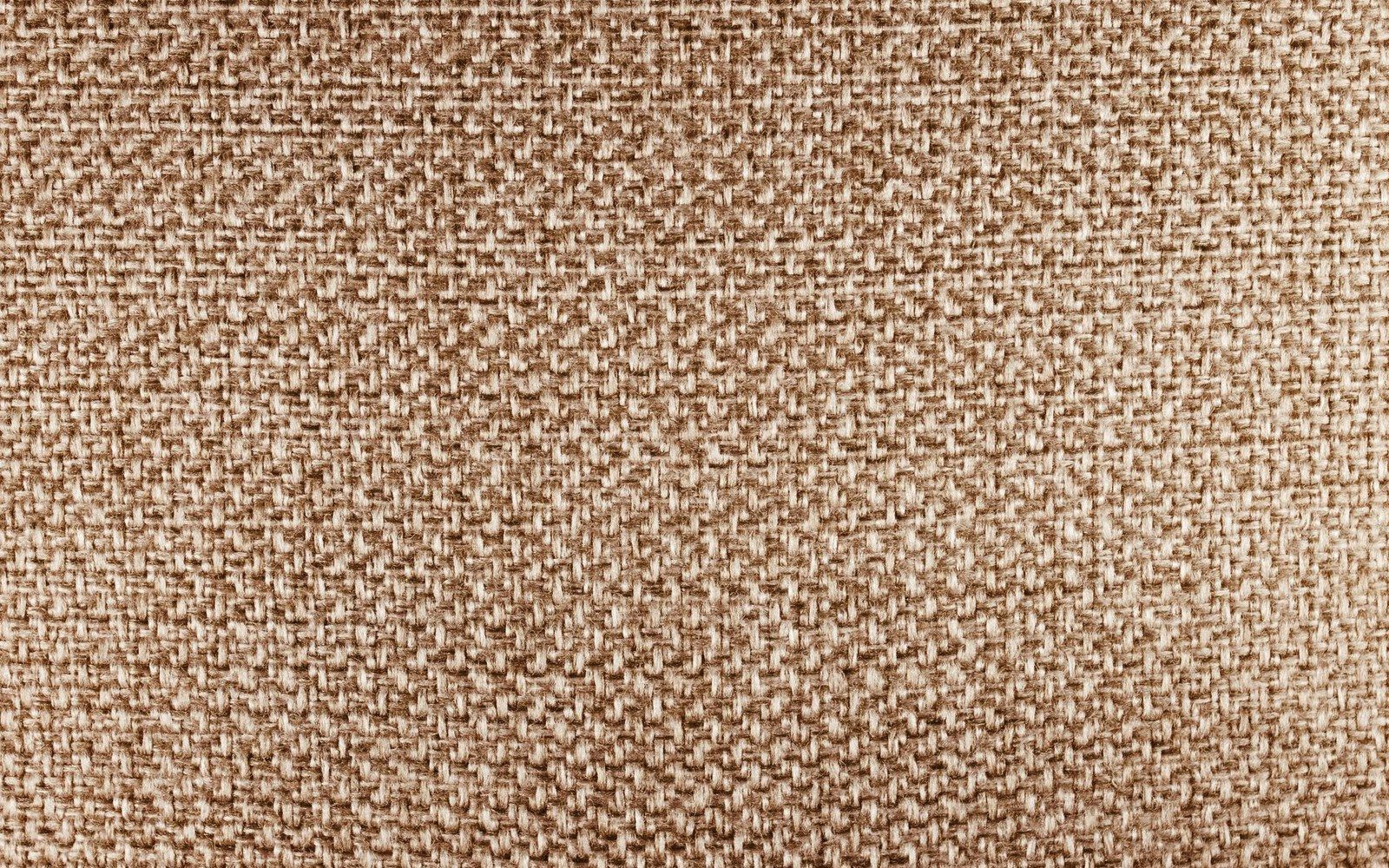
Raking light across an unprimed weave: the tooth a ground has to sit on.
Photo: Jonathan Borba / PexelsWhat the Linen Actually Does
Claessens, based in Wevelgem in West Flanders, is the benchmark name in artist-grade linen. The mill produces a range of weights and weaves — from the fine-grained No. 12 favored for portraiture to the coarser, heavily textured supports suited to large-scale figure work — all woven from flax fibers whose natural tensile strength significantly exceeds that of cotton duck at equivalent weight. Linen does not expand and contract with humidity changes the way cotton does; a primed and stretched Claessens canvas in a centrally heated studio remains more dimensionally stable season to season, which matters when a painter is working for months on a single surface.

Unprimed linen, still sold by the metre off the same Belgian looms.
Photo: cottonbro studio / PexelsThe fiber itself is denser and less absorbent than cotton, and that affects how ground layers behave. A traditional preparation begins with rabbit-skin glue sizing — a hot solution brushed across the raw weave to seal it and stiffen the fibers without filling the tooth entirely. Applied too thin, it leaves the canvas thirsty and the ground soaks unevenly. Applied too thick, it cracks as it dries, lifting the subsequent oil ground with it. The sizing step is not adjustable after the fact, which is why painters who prepare their own canvases treat it with some care.
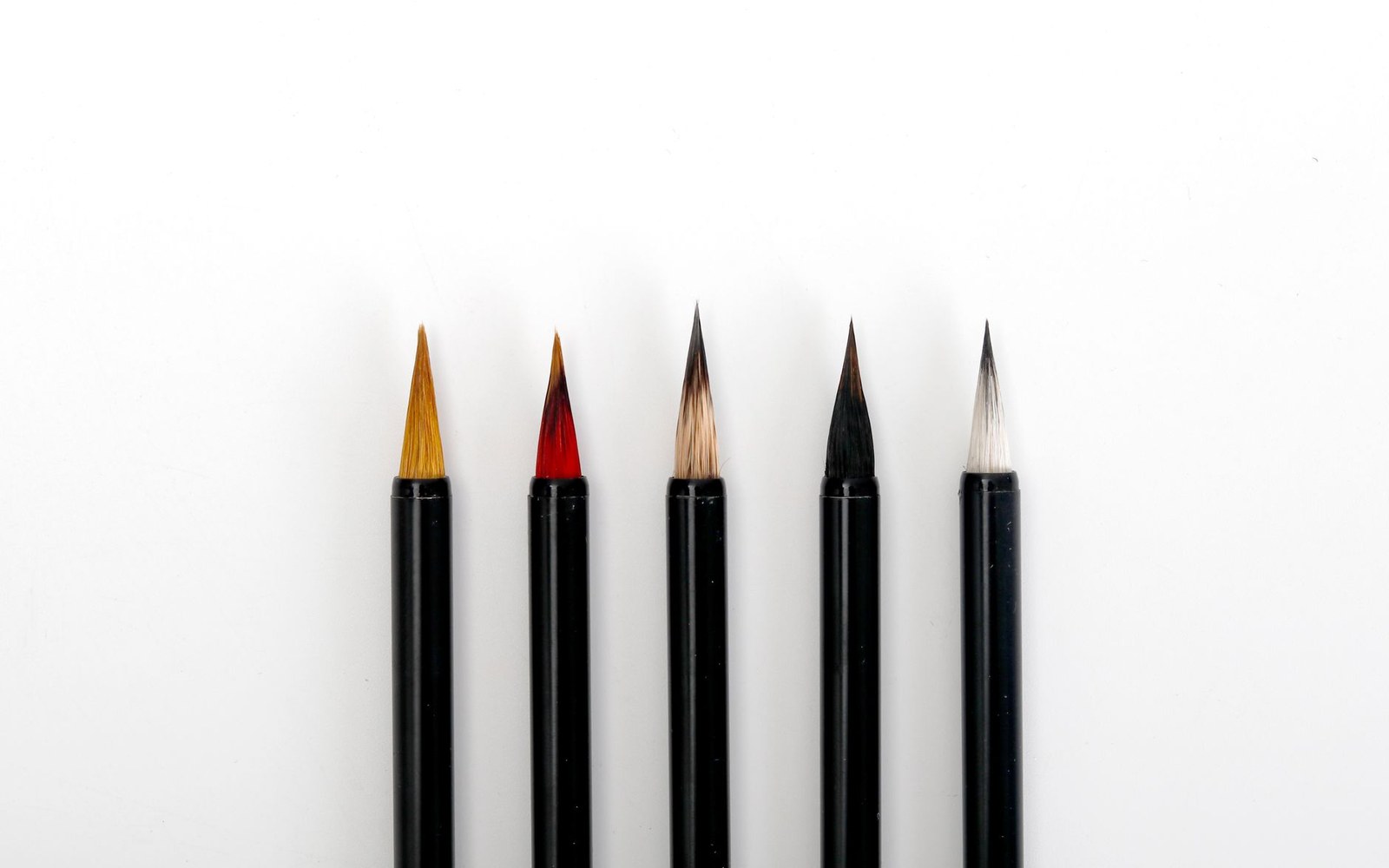
The taper is the point — belly to hold colour, tip to put a line down.
Photo: Feng Zou / PexelsThe weave structure of Belgian linen, produced under controlled production standards ↗, gives a surface with a characteristic small-scale irregularity — visible in raking light on canvases by Rubens and Rembrandt, whose surviving paintings often retain the ground layer thinly enough that the linen's texture reads through. Cotton duck, by contrast, has a flatter, more regular surface and a softer hand, which some painters prefer; it is also considerably cheaper. But it ages less reliably, yellowing and becoming brittle faster than flax. Conservators working on historical paintings consistently find cotton supports in worse structural condition than linen at comparable ages.
Claessens sells its canvas ↗ primed and unprimed, in rolls and pre-stretched, and the range is stocked by most serious trade suppliers. The product has not changed in its essentials because the material argument for it has not changed.