Section 02
Academies
The institutions that codified figure painting — their rules, their rooms, and who they kept out.
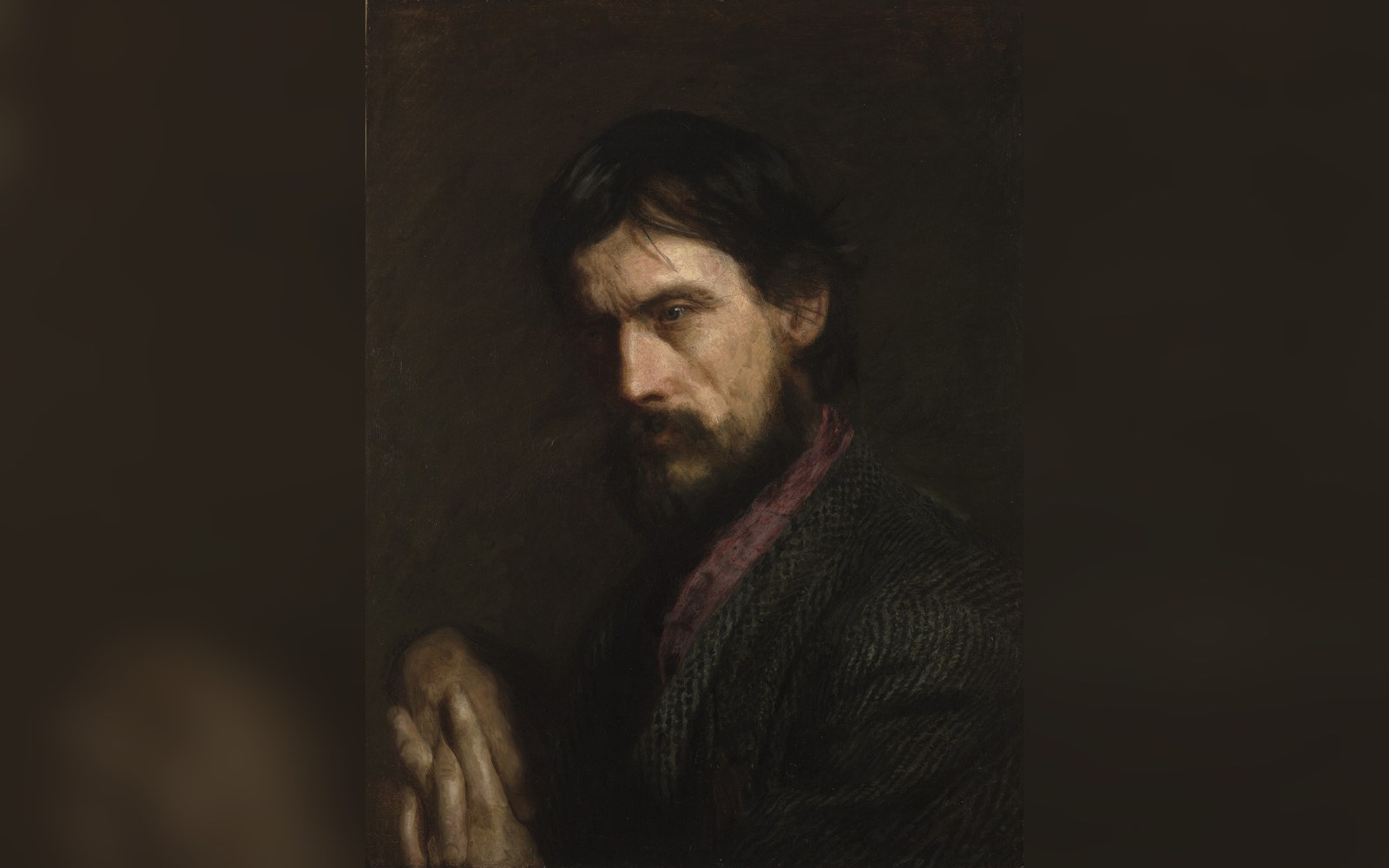
Eakins, removed by the Academy board in February 1886. — Eakins Loses the Pennsylvania Academy.
Photo: Thomas Eakins - The Veteran (Portrait of George Reynolds) - 1961.18.20 - Yale University Art Gallery · Wikimedia Commons- 01
Eakins Loses the Pennsylvania Academy
Thomas Eakins's dismissal from the Pennsylvania Academy of the Fine Arts in February 1886 — what he did in the life class, what the board said, and what the students who walked out with him did next. Built from the Academy's own published record and Eakins's surviving correspondence.
- 02
The Académie Drawing: Why Every Session Ended at the Same Pose
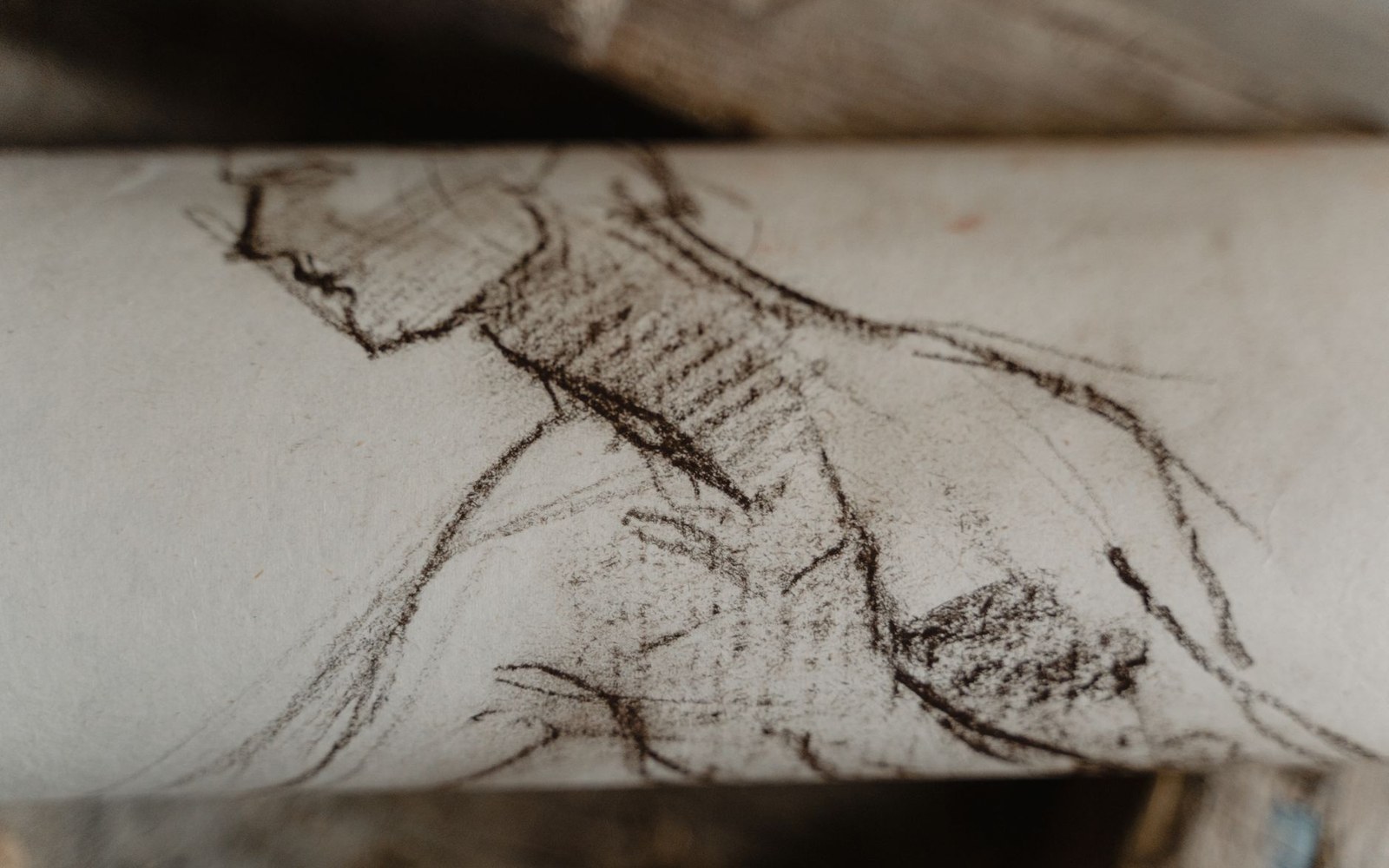
The académie as a specific genre — the male nude in a constrained pose, drawn in charcoal over two sessions, submitted for correction. How the Académie Royale codified the practice in the seventeenth century and why the survivors read as a distinct body of work rather than student exercises.
- 03
The Building on 57th Street That Taught Almost Everyone
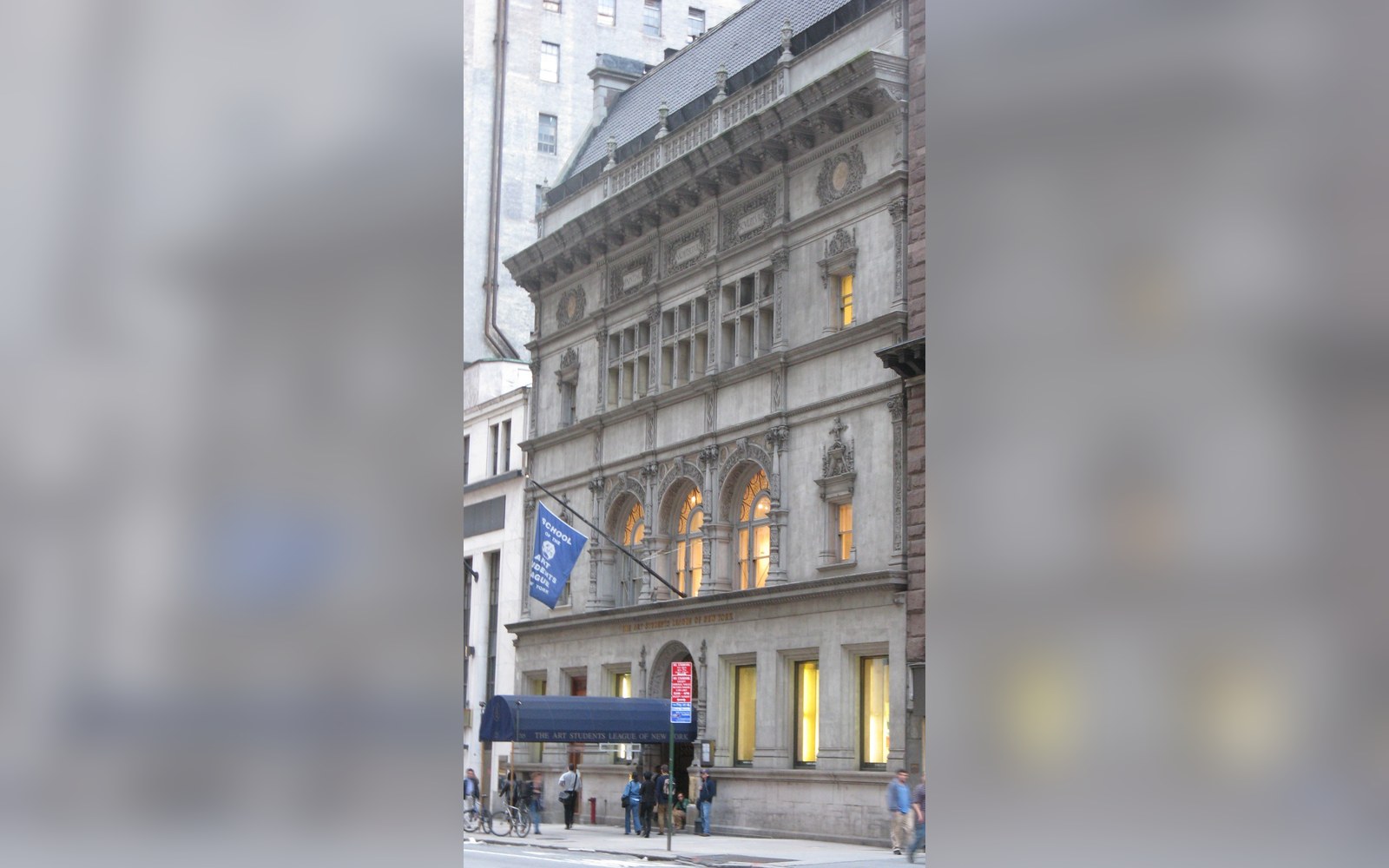
The Art Students League of New York — its founding in 1875, the 57th Street building (1892), and the roster of painters who passed through it: Hopper, Pollock, Bellows, O'Keeffe. What the League's model of non-degree, studio-based teaching changed about American figure painting.
- 04
Four Years in Rome, Paid For by Getting the Nude Right
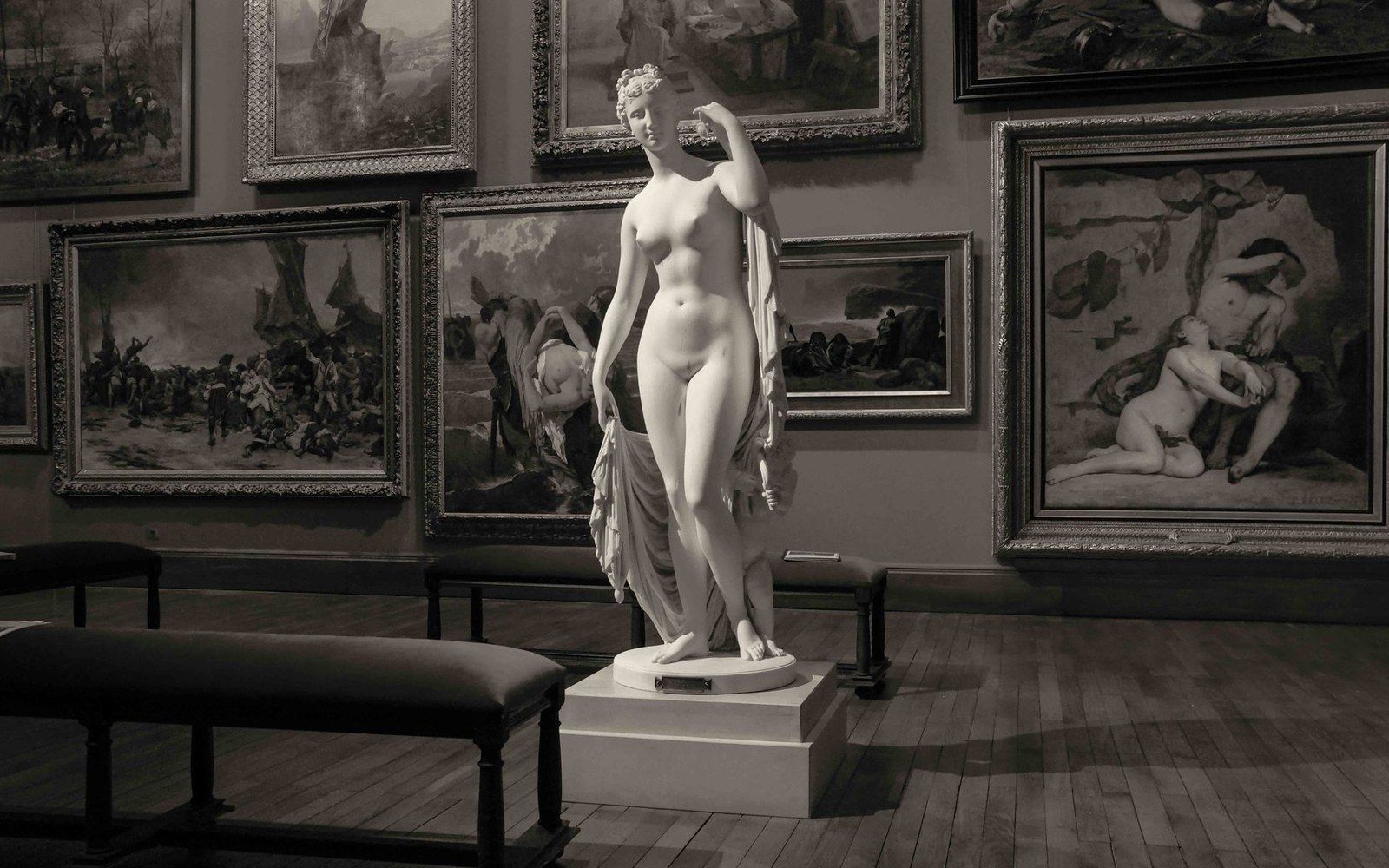
The Prix de Rome's figure-painting competition — the concours, the morceau de réception, and what winning meant for a painter's career at the École des Beaux-Arts. Covers the competition's structure as it ran from 1663 to its effective end in the twentieth century.
- 05
The Slade's Life Room, and What Came Out of It
The Slade School of Fine Art from its 1871 founding through the Tonks era — Henry Tonks's teaching method, the painters he shaped (Gwen John, Augustus John, Paul Nash, Stanley Spencer), and what the Slade's approach to the figure differed from the Royal Academy Schools.