The Kolinsky Sable and the Import Ban That Changed What Painters Could Buy
One regulation, one animal, one hair — and the best brush Western painting ever produced suddenly required a workaround.
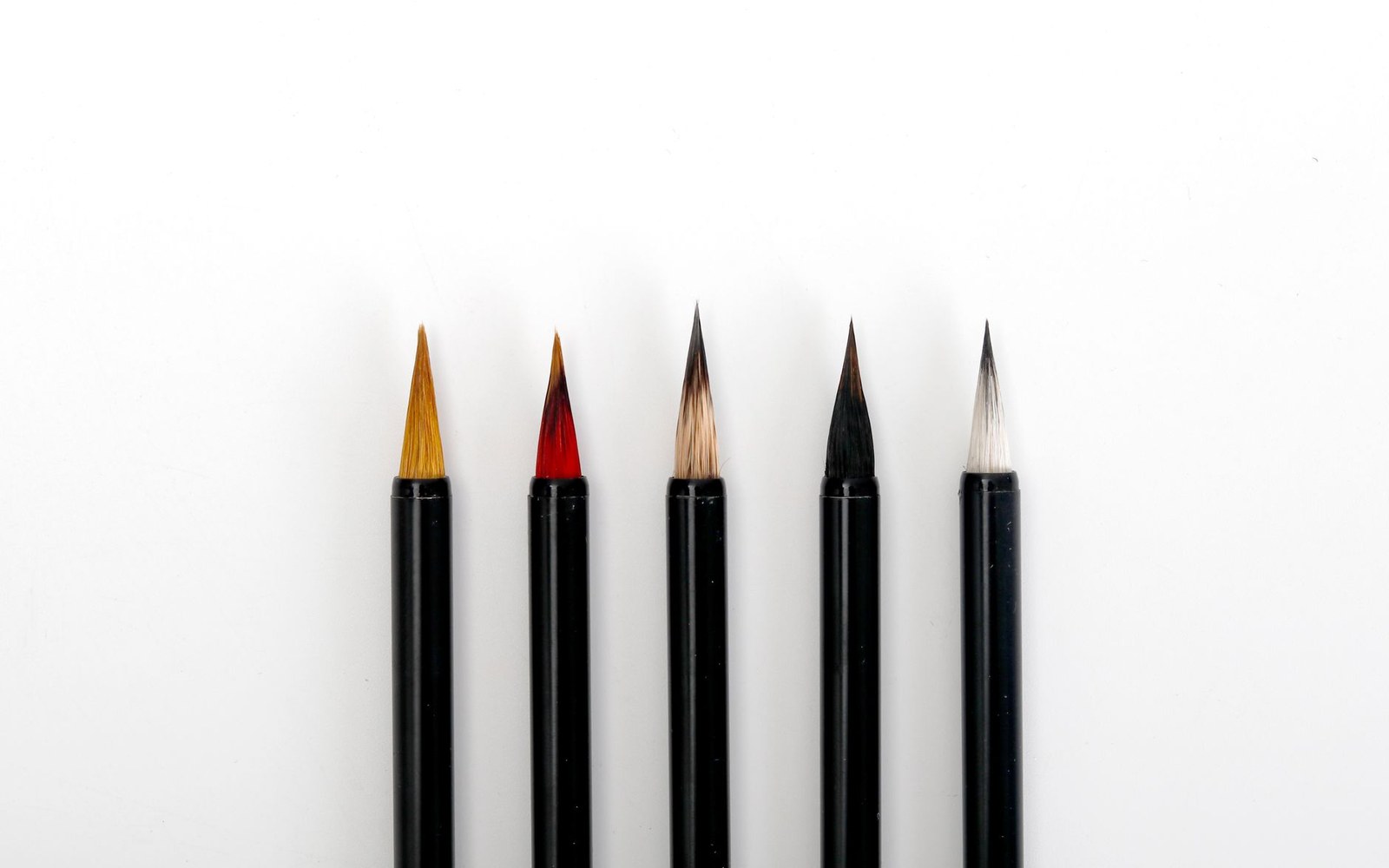
The taper is the point — belly to hold colour, tip to put a line down.
Photo: Feng Zou / PexelsThe Hair and What Happened to It
Kolinsky sable brushes are made from the tail hair of Mustela sibirica, the Siberian weasel — not, despite the name, from any member of the sable family. The hair is prized for three properties that no synthetic has yet fully replicated in a single material: a fine, reliable point; exceptional spring that returns the brush to shape after each stroke; and a reservoir in the belly of the ferrule that releases paint at a controlled, consistent rate. For fine figure work — a careful glaze on a portrait, a delicate passage of flesh tone — these qualities matter more than they might seem to in the abstract.
Unprimed linen, still sold by the metre off the same Belgian looms.
Photo: cottonbro studio / PexelsIn 2014, the US Fish and Wildlife Service listed Mustela sibirica under the Convention on International Trade in Endangered Species, triggering a prohibition on commercial importation of products derived from the animal. Winsor & Newton, whose Series 7 brush has been the benchmark of the category since the nineteenth century, halted US sales of its Kolinsky sable range while the regulatory situation was clarified. Other manufacturers faced the same wall. The disruption was immediate and specific: art suppliers who had stocked deep reserves watched their inventory become impossible to replenish through normal channels.
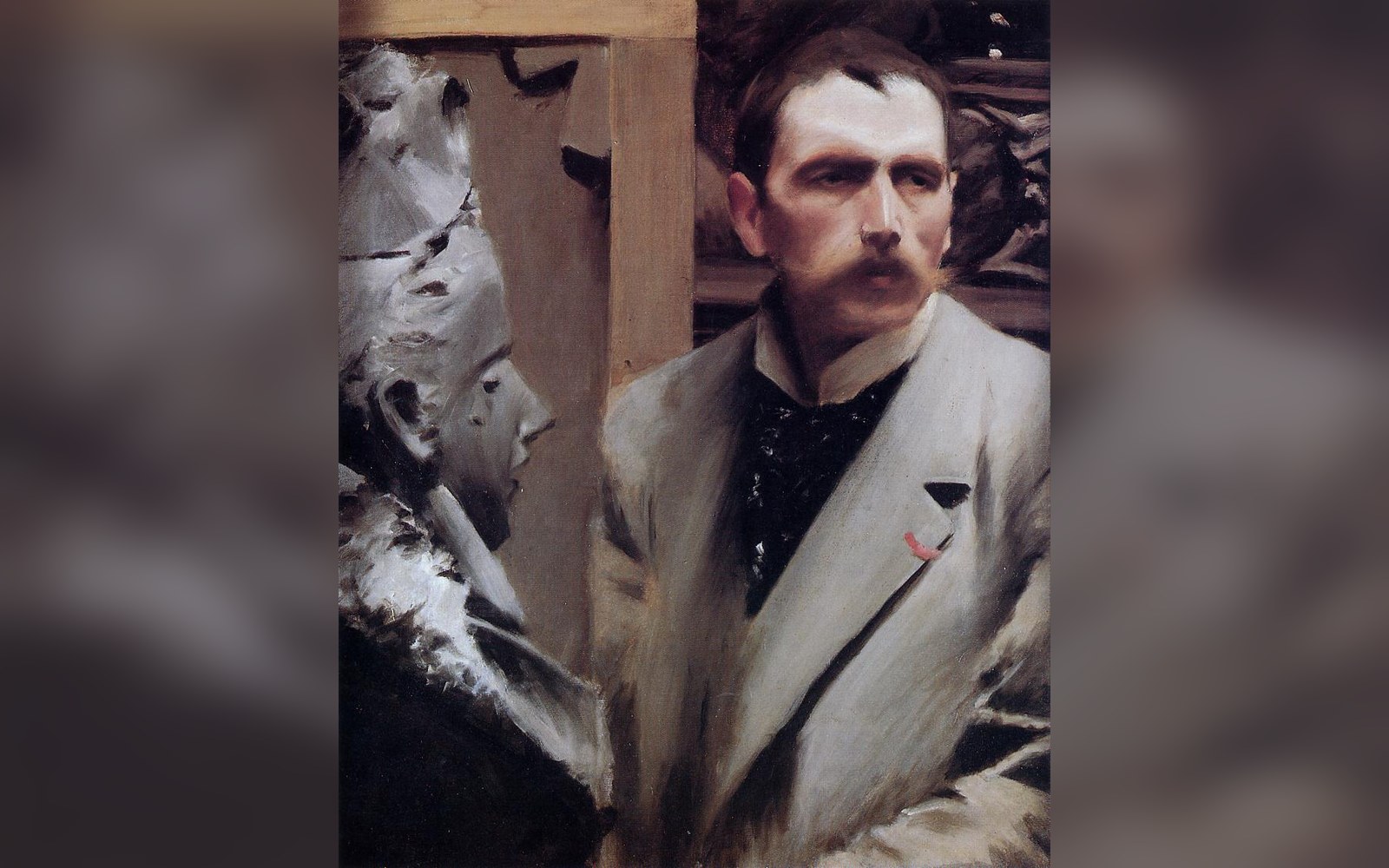
Zorn’s own tonal modelling, which is where the four-colour legend was reverse-engineered from. — Four Colours Are Enough If They Are Zorn's Four.
Photo: Self Portrait by Anders Zorn · Wikimedia CommonsThe resolution was partial and procedurally complicated. Winsor & Newton eventually secured the documentation required to resume limited US imports ↗, but the episode accelerated investment in synthetic alternatives that had already been improving for a decade. Brands repositioned nylon and polyester filament brushes — Princeton's Neptune series, Escoda's Versatil — as credible studio tools rather than budget substitutes. The synthetics gained ground with watercolourists especially, where the reservoir function matters most. Oil painters working in the direct, wet-into-wet manner have generally found the transition easier than those building glazed layers where a Kolinsky's snap through viscous medium is genuinely hard to match.
The ban did not end the Kolinsky's dominance, but it forced a reckoning that was overdue. A painter who has never compared a well-made synthetic to a Series 7 on the same passage may not know what they are missing — or may discover they are missing less than the price difference implies.