Section 03
Refusals
The canvases rejected, the shows closed, and the painters told the subject was not theirs.
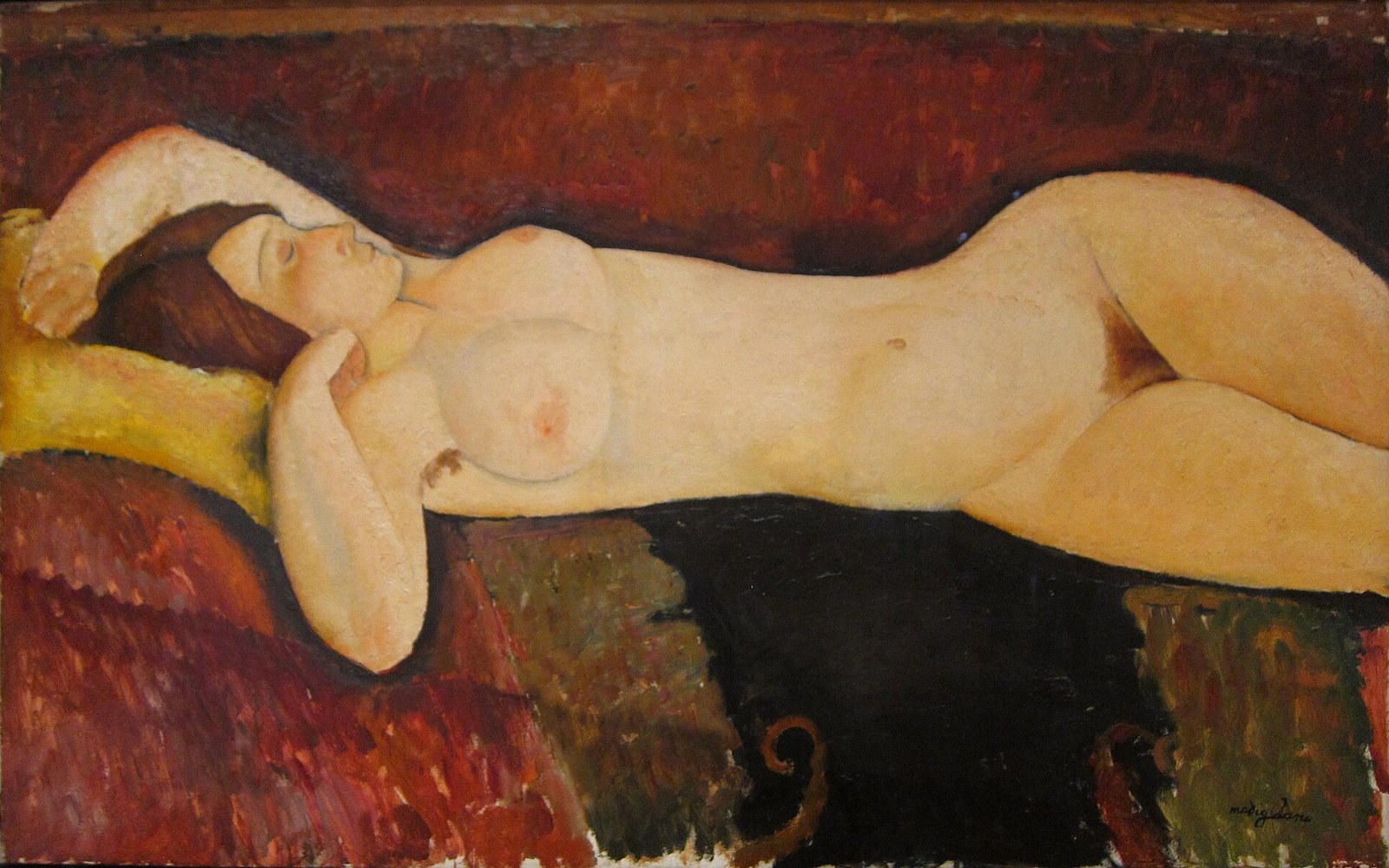
One of the nudes that faced the rue Taitbout in December 1917. — Modigliani's Only Solo Show, Closed on the Day It Opened.
Photo: Amedeo Modigliani - Le Grand Nu · Wikimedia Commons- 01
Modigliani's Only Solo Show, Closed on the Day It Opened
The Berthe Weill gallery show of December 1917 — the thirty-some canvases, the nude in the window, the police order, and what happened to the work afterward. Covers the specific paintings documented in the show and their current locations where known.
- 02
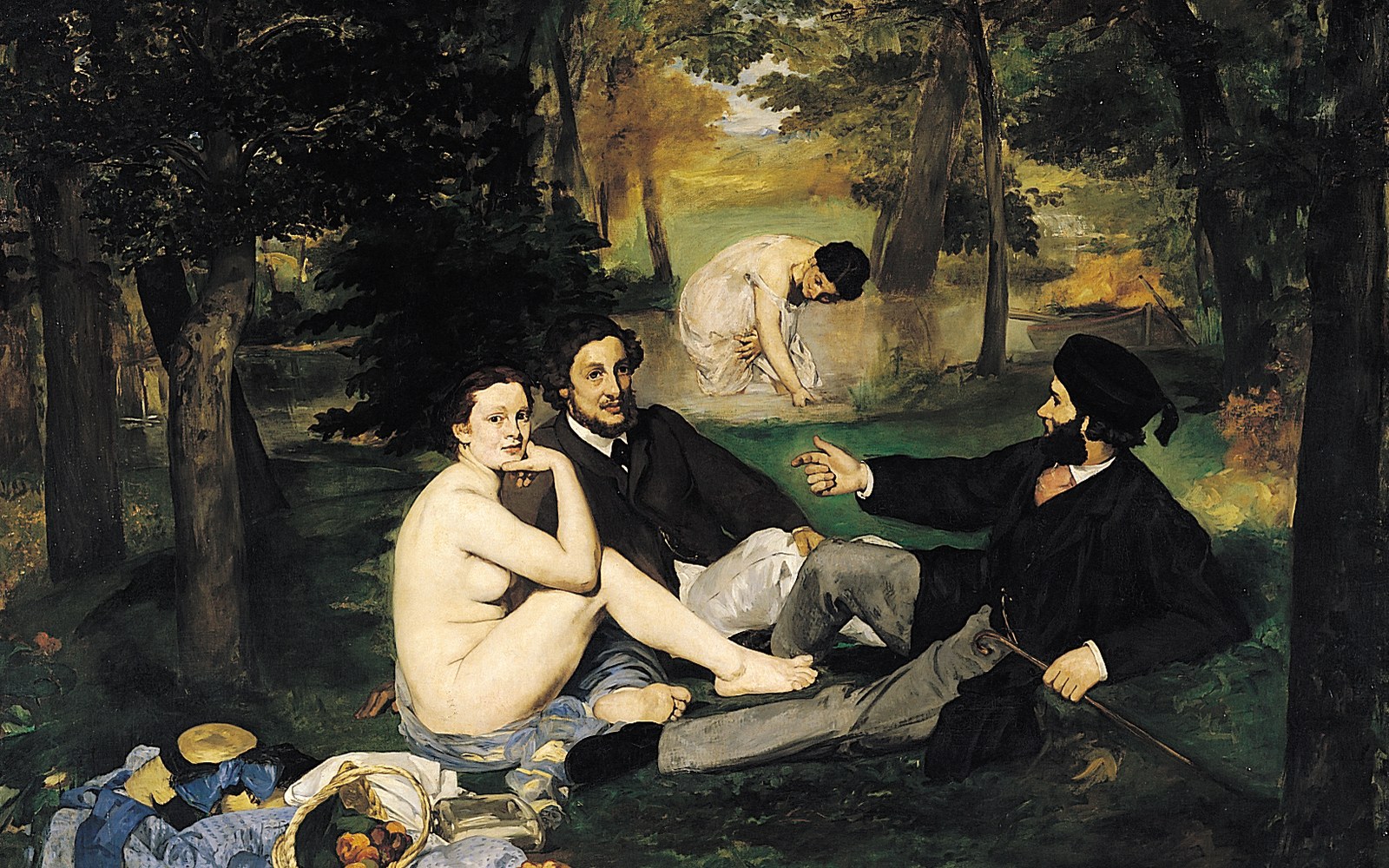
Two Years in the Studio, a Fortnight of Shouting, and the Whole Argument Was Over
The Salon des Refusés of 1863 — Napoleon III's order, what was actually shown (Manet's Déjeuner sur l'herbe alongside Whistler and Pissarro), and why the fortnight's public response changed what a Salon rejection could mean for a painter's career.
- 03
The Royal Academy Opens the Life Class to Women — with Conditions
The Royal Academy Schools' 1893 decision to admit women to the life class, and the specific conditions attached — the draped rather than fully undressed model, the separate sessions. What Laura Knight's Self Portrait with Nude (1913) did with that history.
- 04
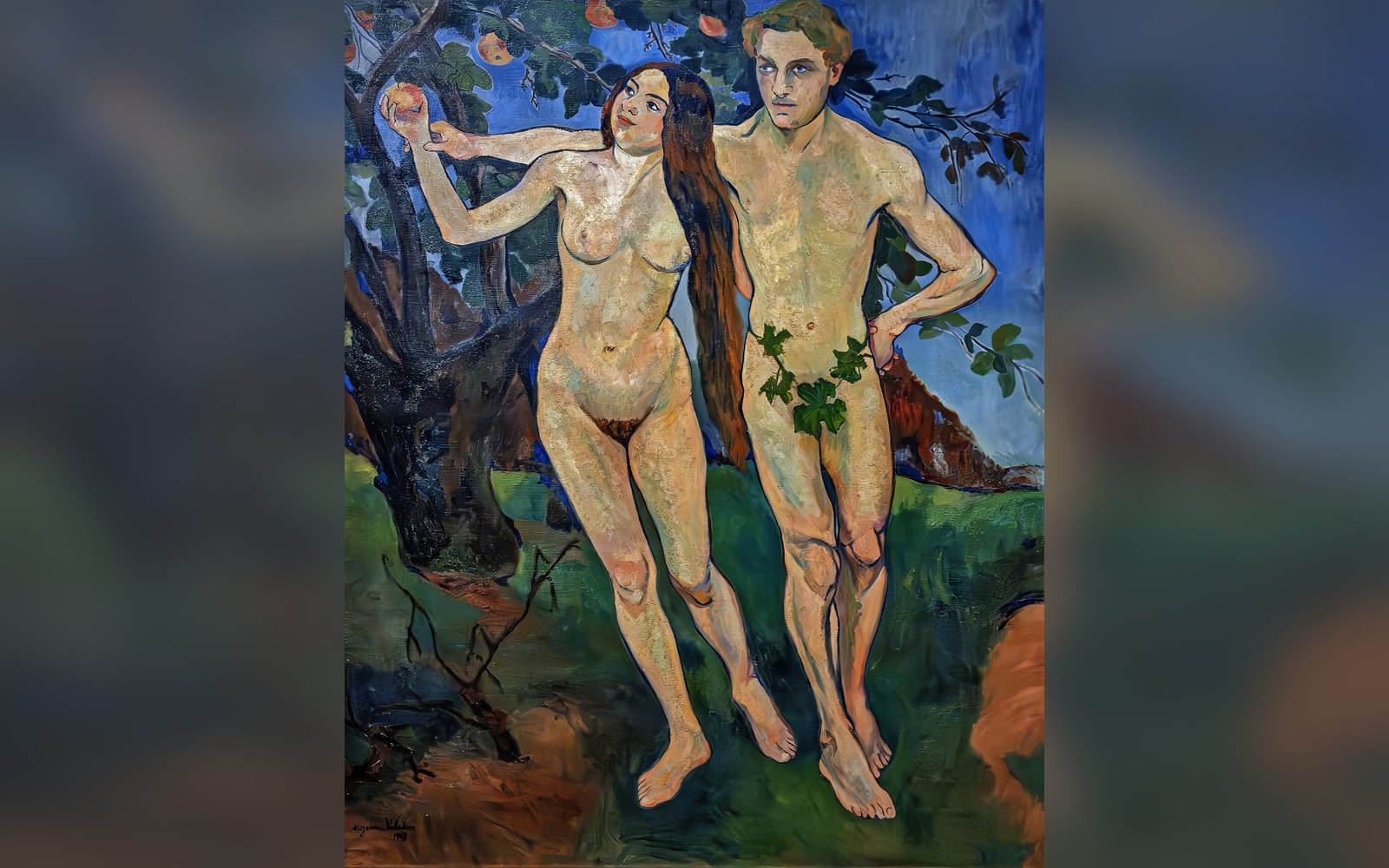
Suzanne Valadon Painted the Male Nude When Nobody Had Asked Her To
Valadon's figure work from the 1890s onward — the self-portraits, the male nudes, the bathers — and the institutional conditions she worked outside of. How her position as a former model shaped both the criticism she received and what she was allowed to show.
- 05
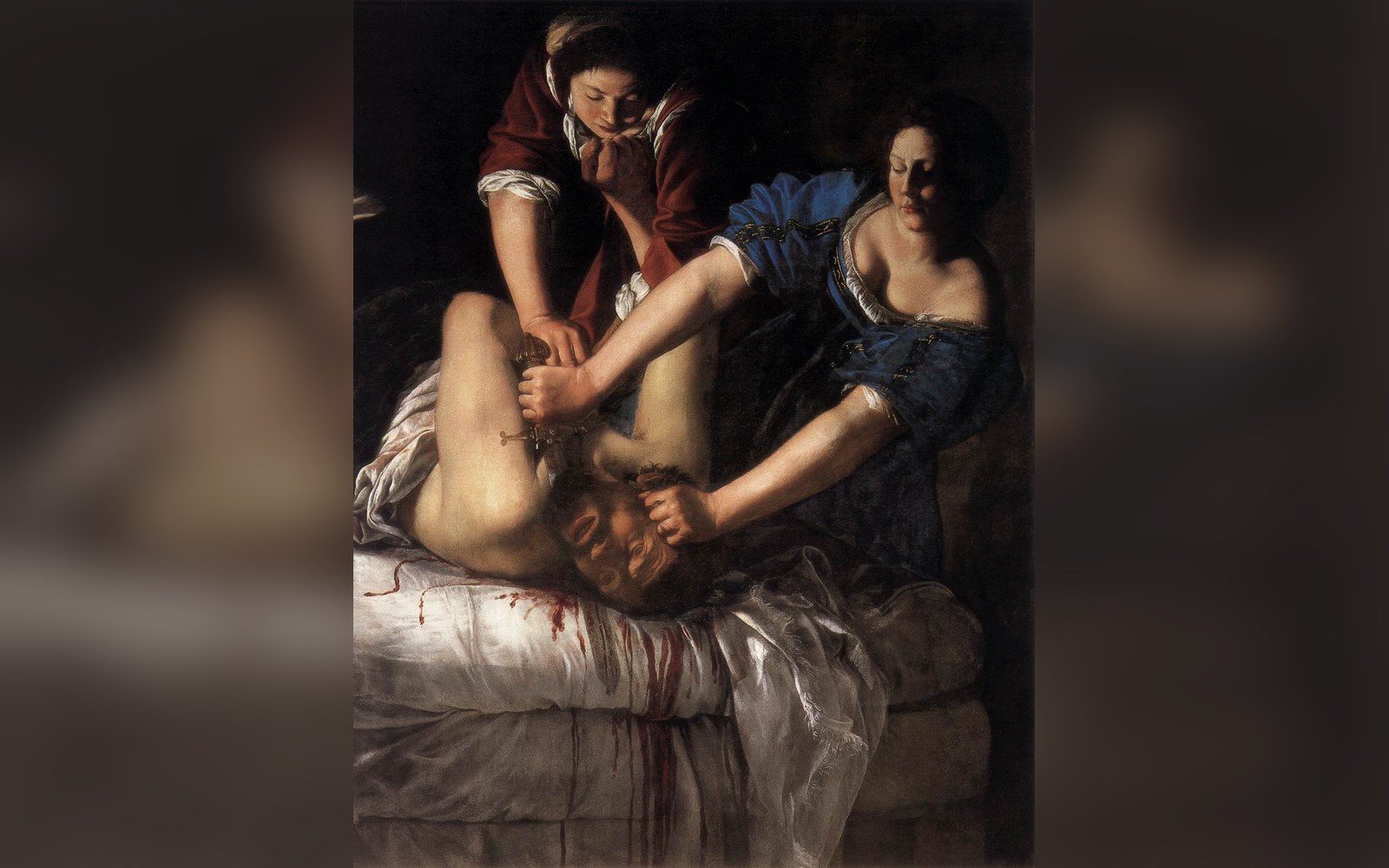
Artemisia Gentileschi Painted the Beheading Twice, and the Second Was Worse
The two Judith Slaying Holofernes canvases — Naples (c.1614–20) and the Uffizi (c.1620) — compared against Caravaggio's version and against each other. What changed between the two versions and what the documented facts of Gentileschi's biography make available to the critic without speculation.