Section 01
Works
Named canvases, their making, their arguments, and the rooms they ended up in.
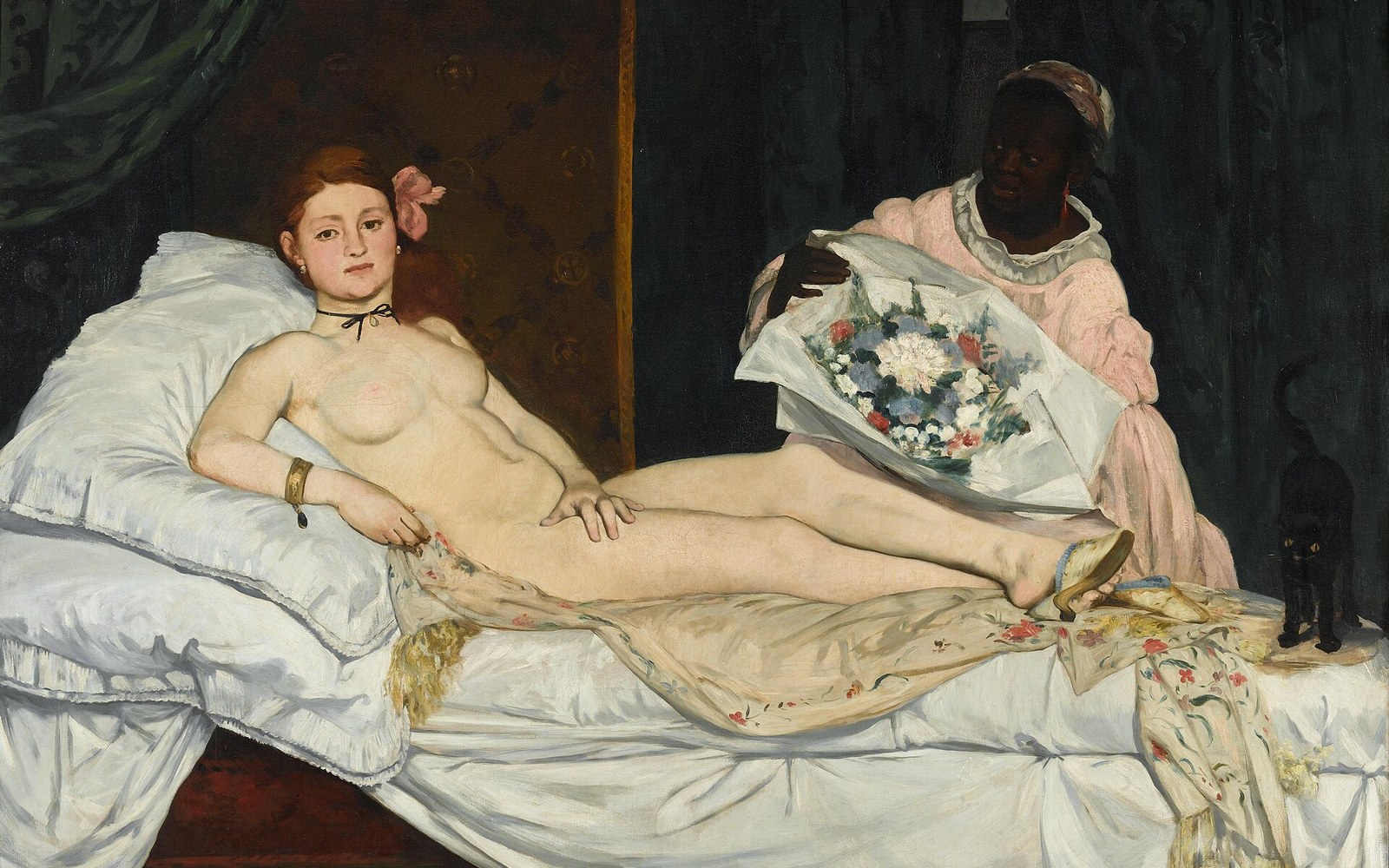
Manet, Olympia, 1863 — Musée d’Orsay. — Olympia, and the Fortnight Paris Spent Shouting at a Cat.
Photo: Edouard Manet - Olympia - Google Art Project 3 · Wikimedia Commons- 01
Olympia, and the Fortnight Paris Spent Shouting at a Cat
Manet's 1865 Salon submission — what the painting actually shows, what the catalogue listed, and why the critical response was louder for a black cat than for a naked woman. Reads the canvas against Titian's Venus of Urbino as Manet intended, and traces the picture from the Salon to the Musée d'Orsay.
- 02
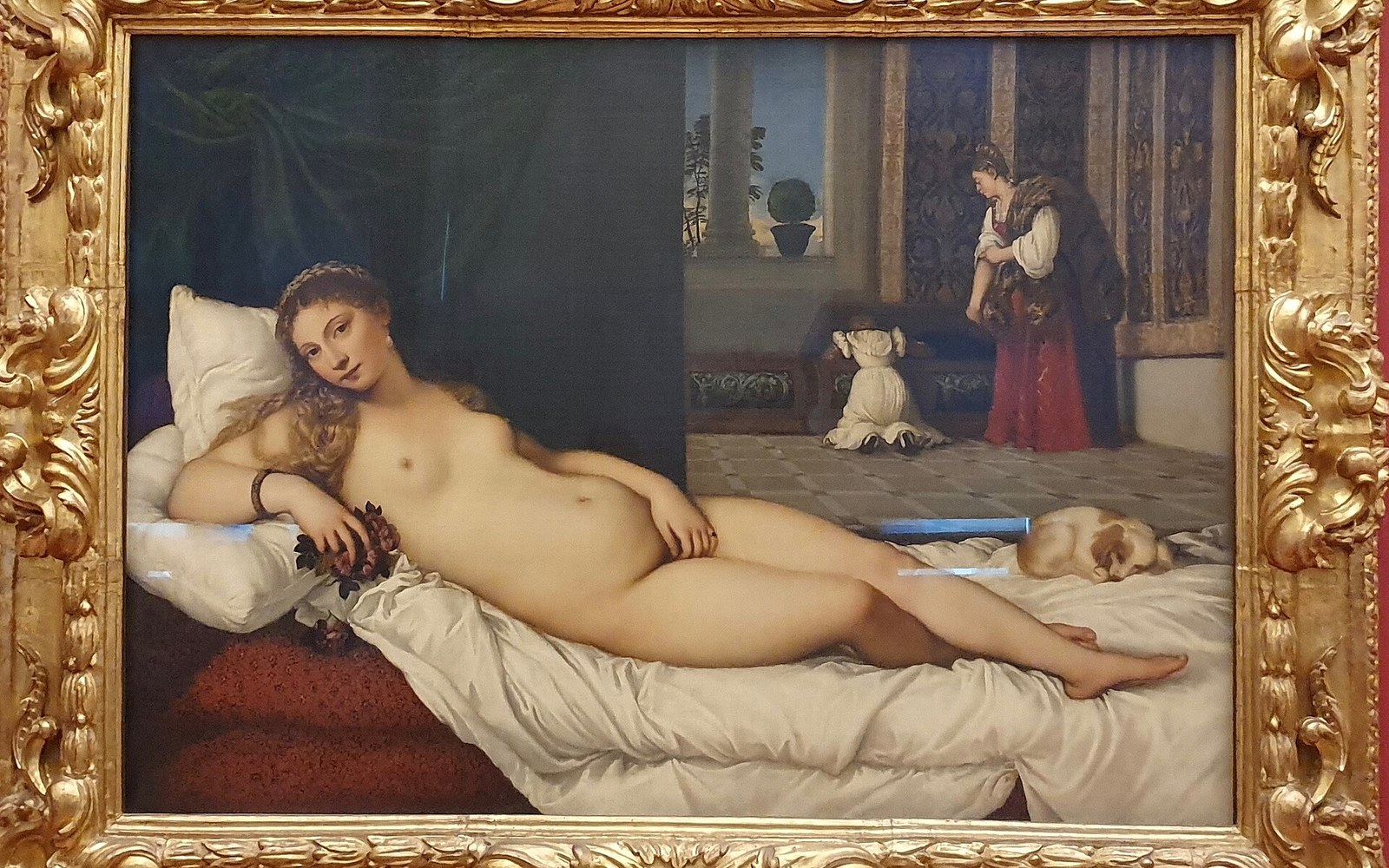
What Titian's Venus Is Actually Looking At
A close reading of the Venus of Urbino (1538, Uffizi) — the compositional logic of the gaze, the dog, the servants in the background, and what the commission from Guidobaldo della Rovere tells us about the intended audience. Short and specific.
- 03
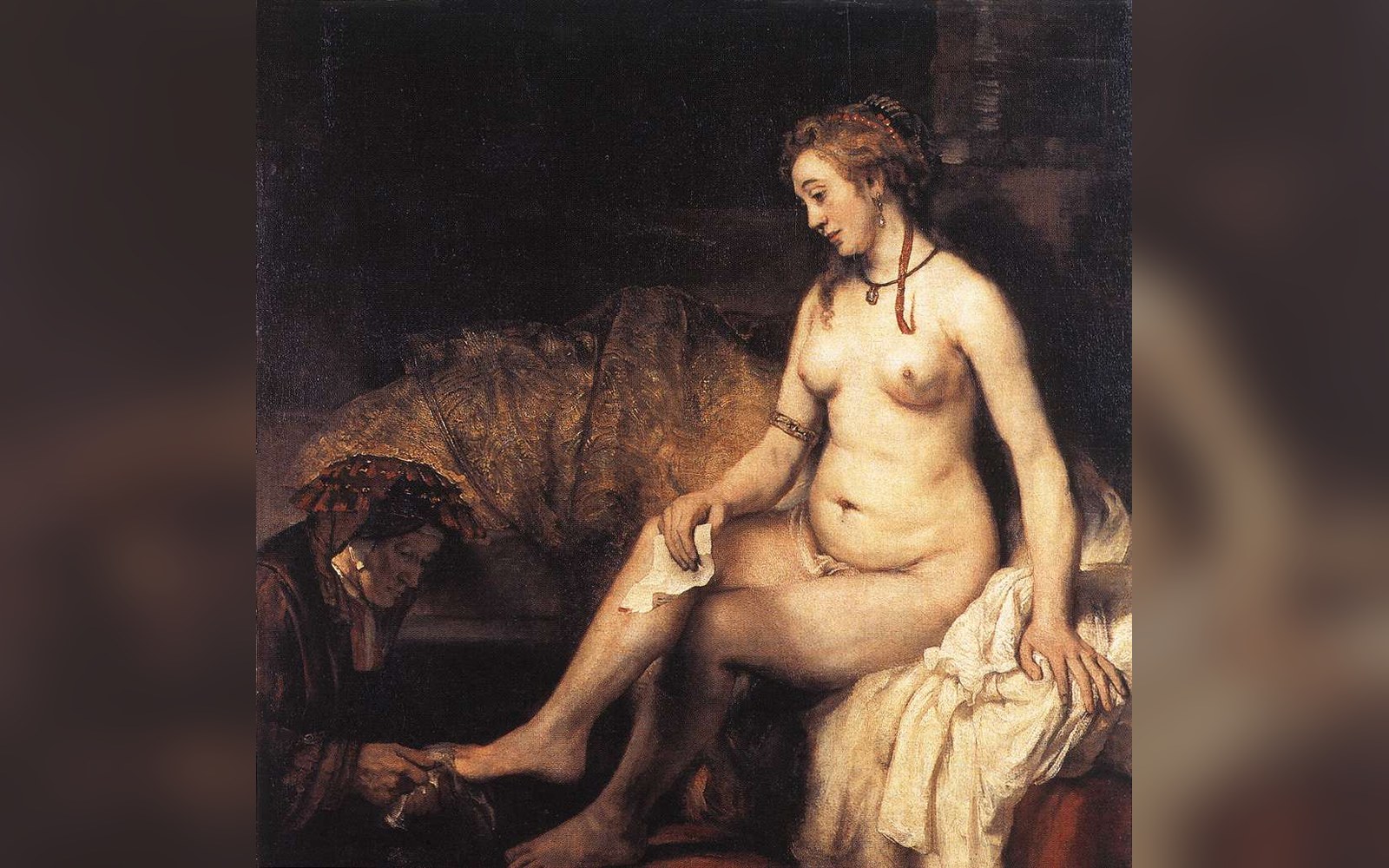
Rembrandt Gave Bathsheba a Real Letter
The 1654 canvas in the Louvre, almost certainly painted from Hendrickje Stoffels — what the letter in her hand changes about the picture's subject, and how Rembrandt handled the problem of depicting thought on a face. Covers dimensions and condition as the Louvre records them.
- 04
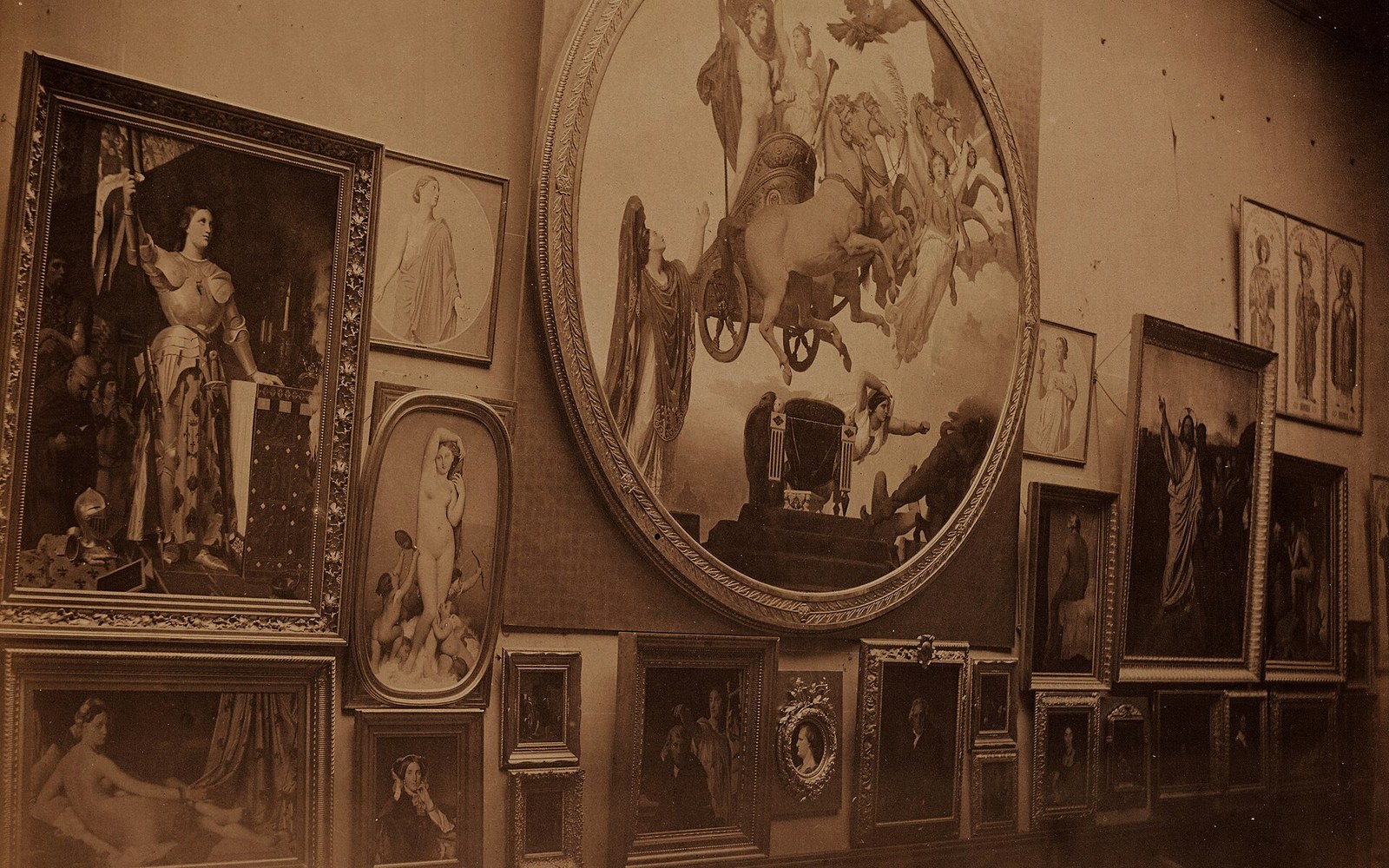
Ingres Gave Her Three Extra Vertebrae and Was Unapologetic
The Grande Odalisque (1814, Louvre) and the anatomical impossibility Ingres built into the back — what critics said in 1819, what Ingres said back, and what the distortion is actually doing for the picture. An argument, not an anatomy lesson.
- 05
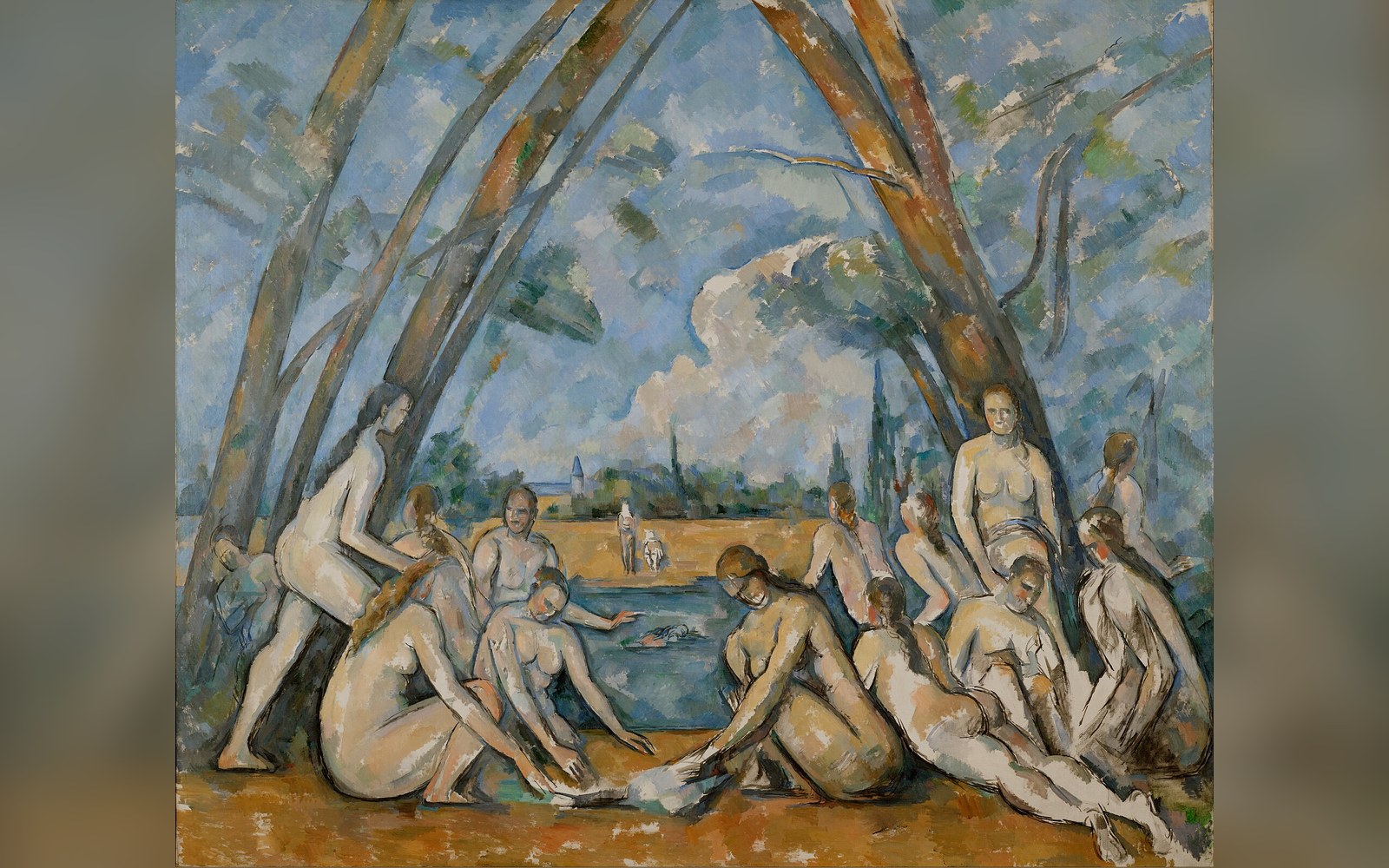
Cézanne Painted Bathers for Thirty Years Without a Model in the Room
The Large Bathers (Philadelphia Museum of Art, 1906) as the culmination of a problem Cézanne could not solve from life — why he worked from memory and académie drawings, and what the Barnes and Philadelphia canvases differ on. Covers all three large Bathers versions by holding museum.
- 06
Freud, Nine Months of Four-Hour Sittings
Benefits Supervisor Sleeping (1995, private collection) — the making of the picture, what is documented about the sittings, and where the canvas sits in Freud's late practice. Factual record from published sources; nothing about the sitter's private life beyond what is on the public record.
- 07
The Picture That Broke the Room It Was Shown In
Picasso's Les Demoiselles d'Avignon (1907, MoMA) and the response of the first viewers — Braque, Matisse, Derain — documented from letters and memoirs. What the African mask sections did to the figure tradition as Picasso inherited it, and why the canvas was not exhibited publicly until 1916.