Philip Pearlstein Cropped the Head and the Problem Got Easier
Remove the face from the figure and the viewer can no longer read the mood — which was exactly the point.
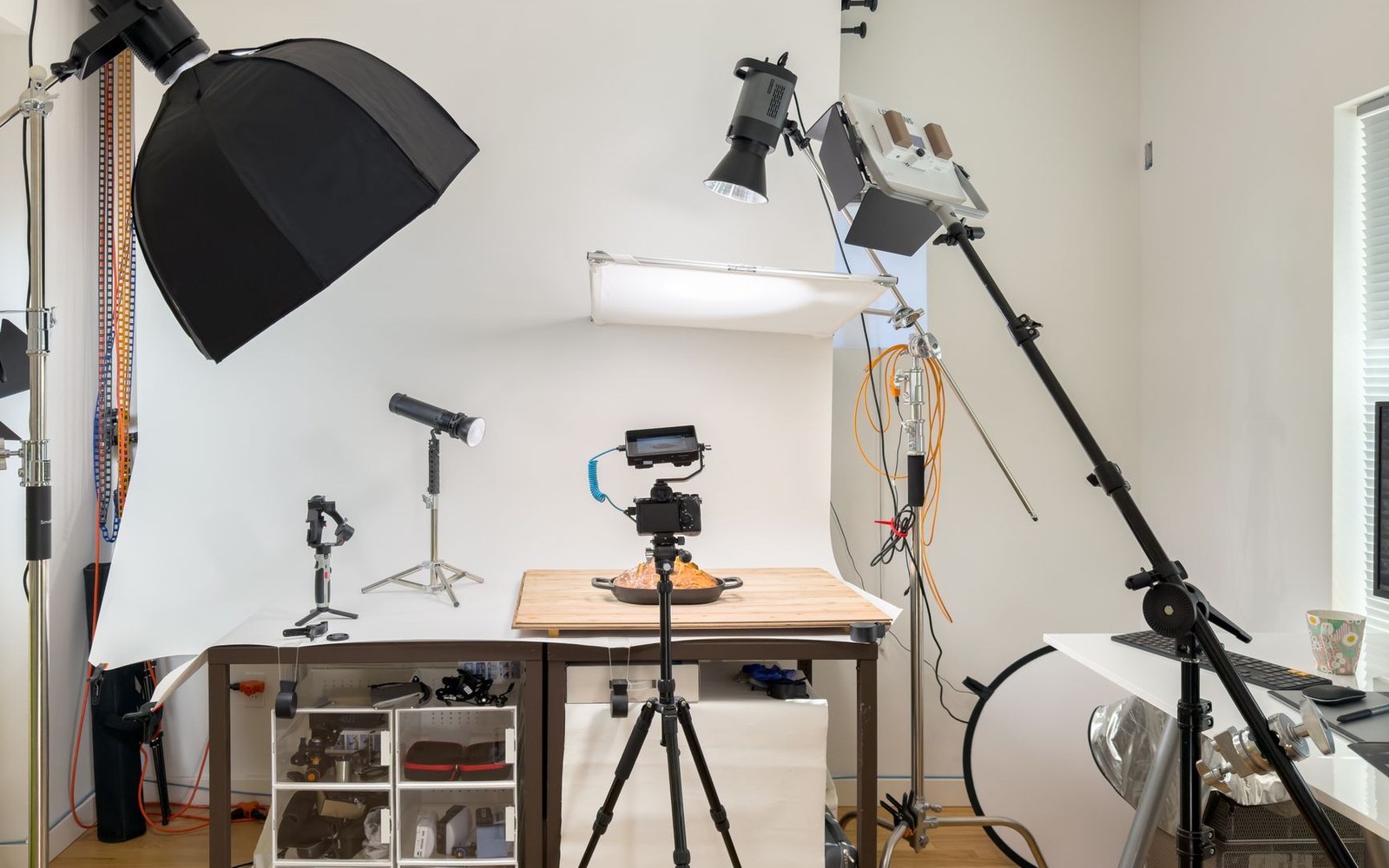
Two adult models, studio floods, and a frame that will crop the heads.
Photo: Frank Schrader / PexelsThe Frame as Editorial Decision
By the early 1960s, Philip Pearlstein had arrived at a practice so straightforward it looked almost perverse: two models, studio light, no props that tell a story, and a frame that slices through limbs, torsos, and occasionally the head itself. What the cropping removes is the invitation to sympathize. Without a face, the figure becomes what Pearlstein insisted it always should have been — a formal problem, not a dramatic one.
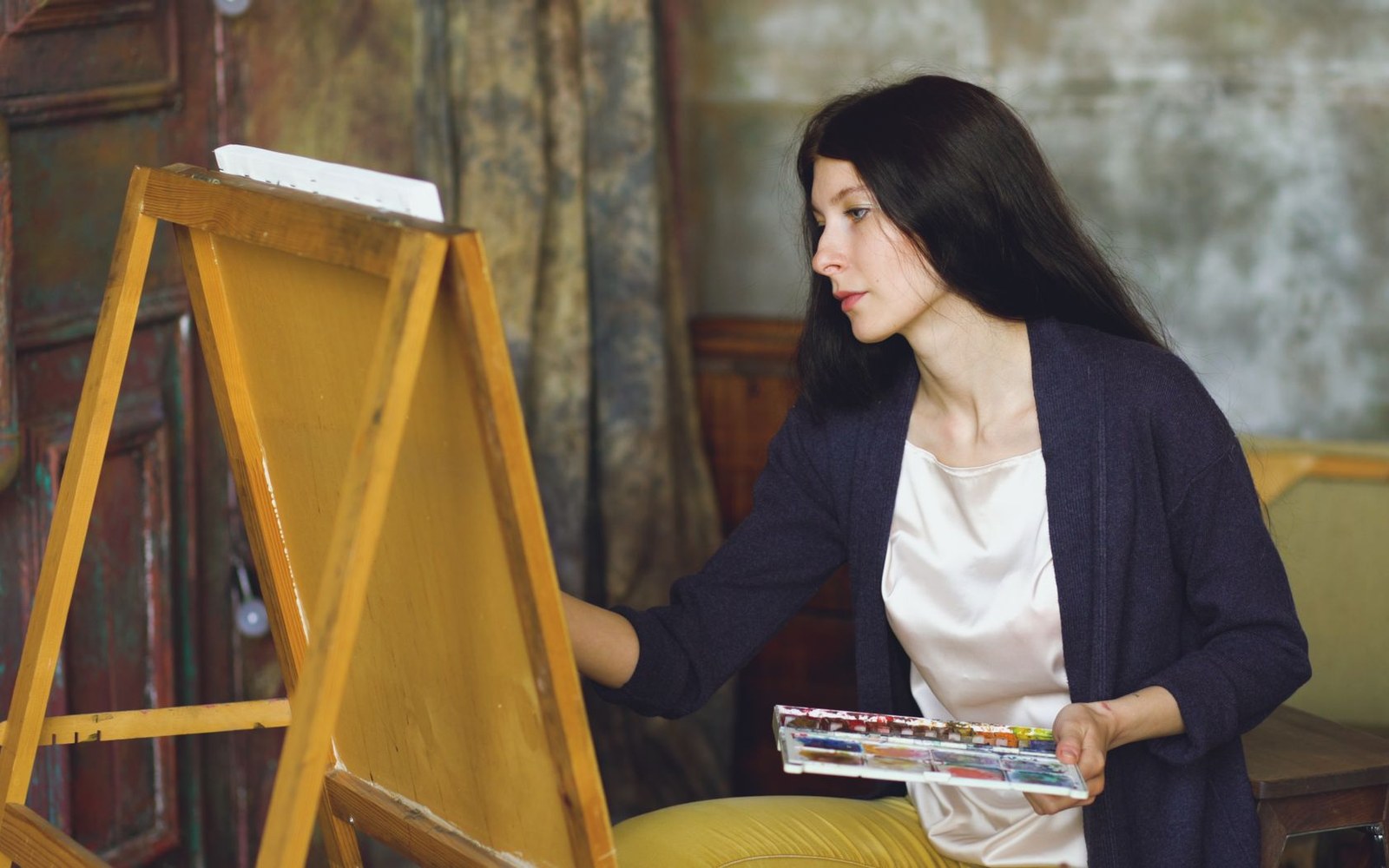
North light, a loaded palette, a model on the stand: the working arrangement the academies formalised and the studios kept.
Photo: Vitaly Gariev / PexelsHe argued the case in print. His 1962 essay "Figure Paintings Today Are Not Made in Heaven" positioned the unidealized, cropped nude as a realist corrective to both academic sentimentality and the heroic gesture painting that had dominated American studios in the previous decade. The body was simply there, occupying space, lit from the side, foreshortened by however the model happened to sit. Carnegie Tech, where Pearlstein had trained, had drilled him in direct observation; he took the lesson further than the curriculum intended.
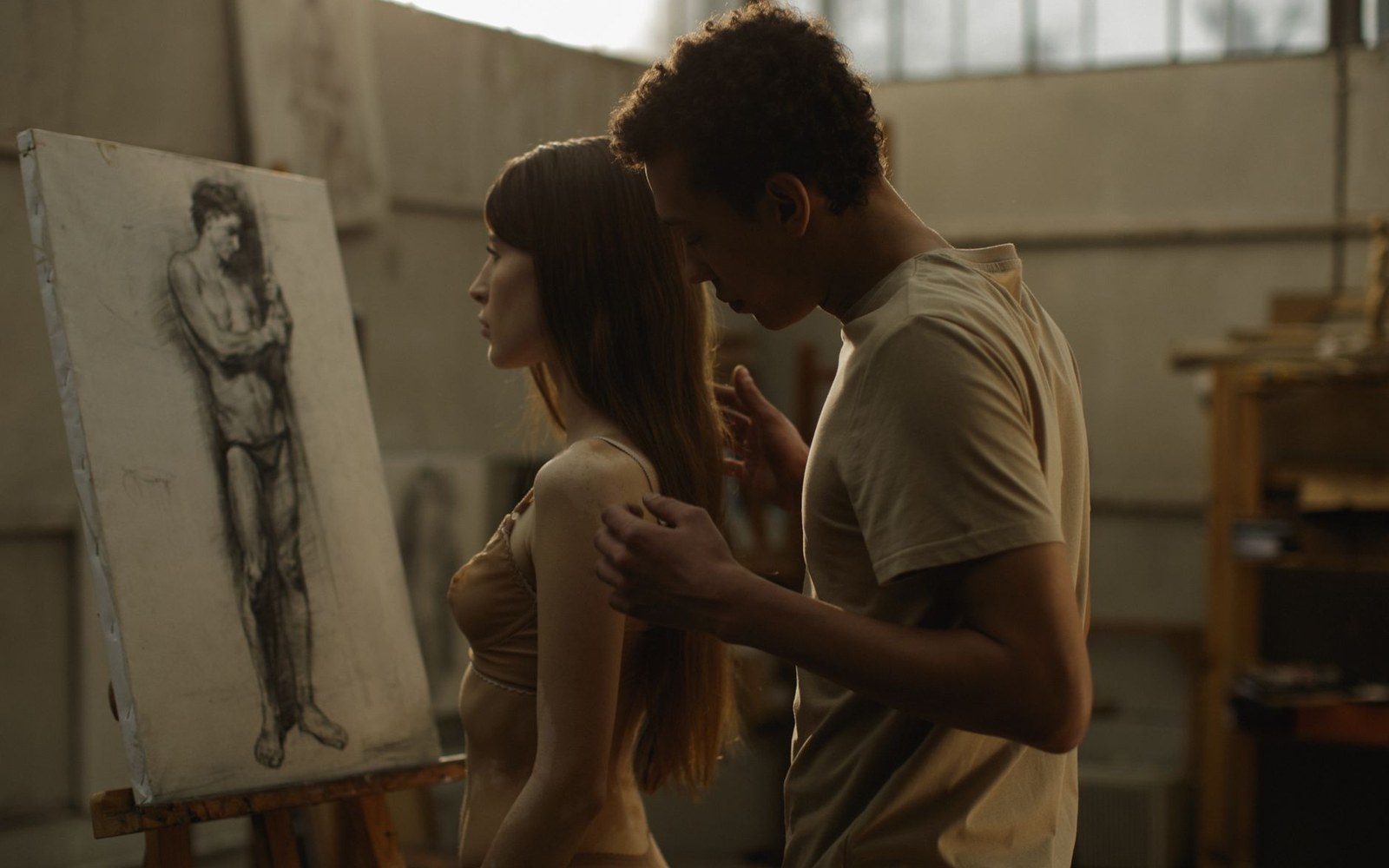
The view Semmel painted from 1973 onward: the body seen down the length of itself. — Joan Semmel Painted the Body from Inside It.
Photo: cottonbro studio / PexelsThe studio procedure was systematic. Models held long poses across multiple sessions. Pearlstein worked in oils with a fidelity to the specific — the weight of flesh against a cushion, the color shift from a fluorescent tube, the exact angle of a turned knee — that left no room for idealization. Foreshortening was not corrected. Shadows were not flattered. The frame edge arrived wherever the composition demanded, which often meant a head disappeared above the upper border or a foot was simply gone. Philip Pearlstein ↗ is represented across major American collections, and MoMA holds multiple works that demonstrate exactly this cropping logic.
What the strategy accomplished was a kind of neutrality that proved difficult to dismiss. The paintings are not cold — the paint handling is too attentive for that — but they refuse the consolation of expression. Remove the face and you also remove the hierarchy that the Western figure tradition had always depended on: the nude as character, as allegory, as statement about beauty or desire. What remains is weight, light, and the particular difficulty of the body seen plainly.