Joan Semmel Painted the Body from Inside It
The foreshortened self-view — a first-person nude that the Western tradition had no vocabulary for

The view Semmel painted from 1973 onward: the body seen down the length of itself.
Photo: cottonbro studio / PexelsA View the Tradition Never Took
In 1973, Joan Semmel began painting the nude from a position no academy had taught: looking down at her own body. The Intimacy paintings that followed show a foreshortened torso, the legs receding into pictorial space, breasts and belly visible but the face absent — the exact viewpoint of someone inhabiting a body rather than regarding one. The perspective is structural, not merely confessional. Where Titian's Venus of Urbino organizes the nude for an external eye that surveys and possesses, Semmel's canvases place the viewer inside the skin.
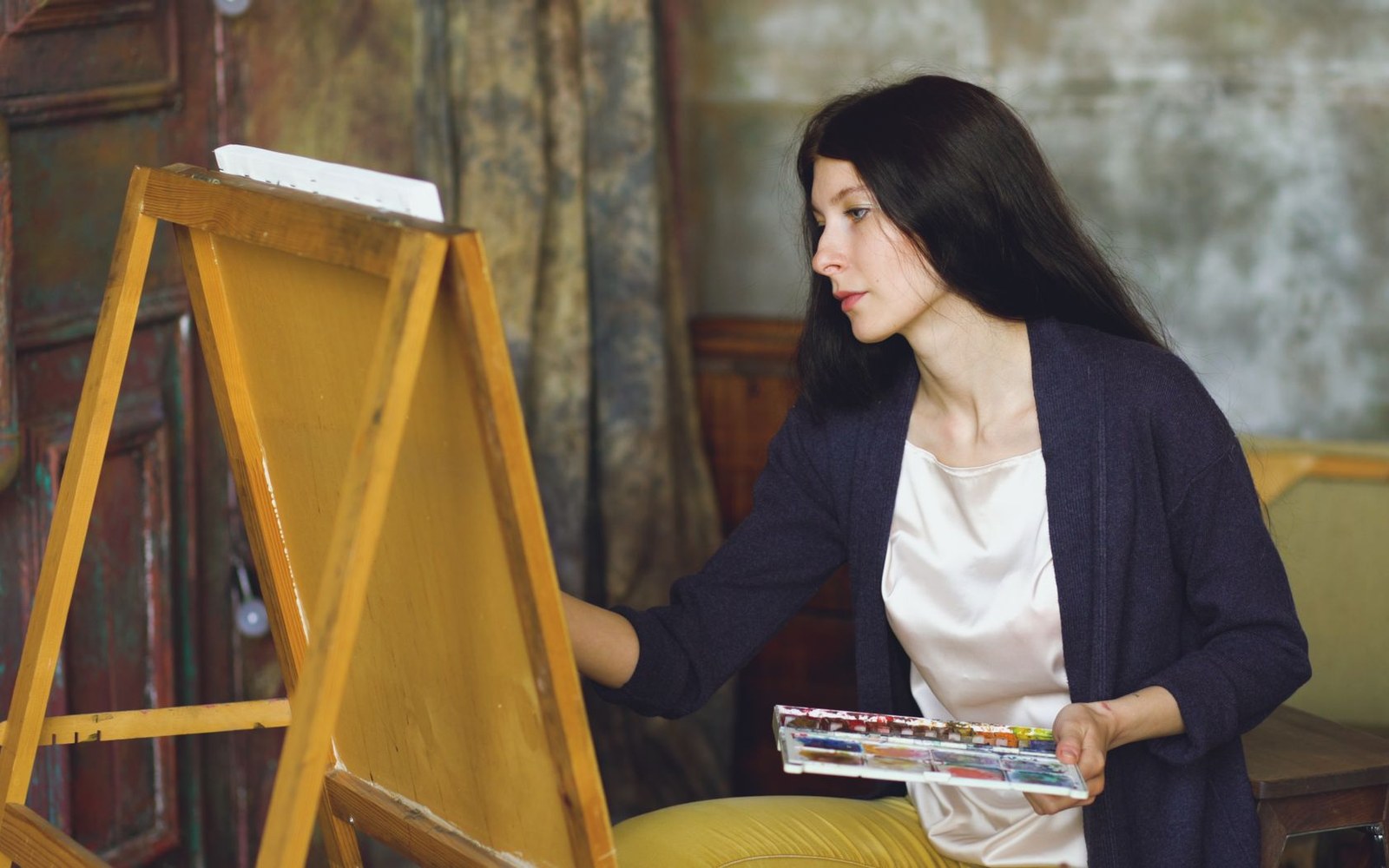
North light, a loaded palette, a model on the stand: the working arrangement the academies formalised and the studios kept.
Photo: Vitaly Gariev / PexelsThe formal difference is not subtle. In the recumbent-nude tradition stretching from Titian through Manet's Olympia, the body lies horizontal across the picture plane, available to inspection at a single, composed distance. Semmel's figures fill the canvas differently: foreshortening compresses the lower body toward the viewer, the angle is steep, and spatial recession is aggressive. The composition cannot be scanned from a safe remove; it requires a bodily identification that the tradition's conventions were designed to prevent.
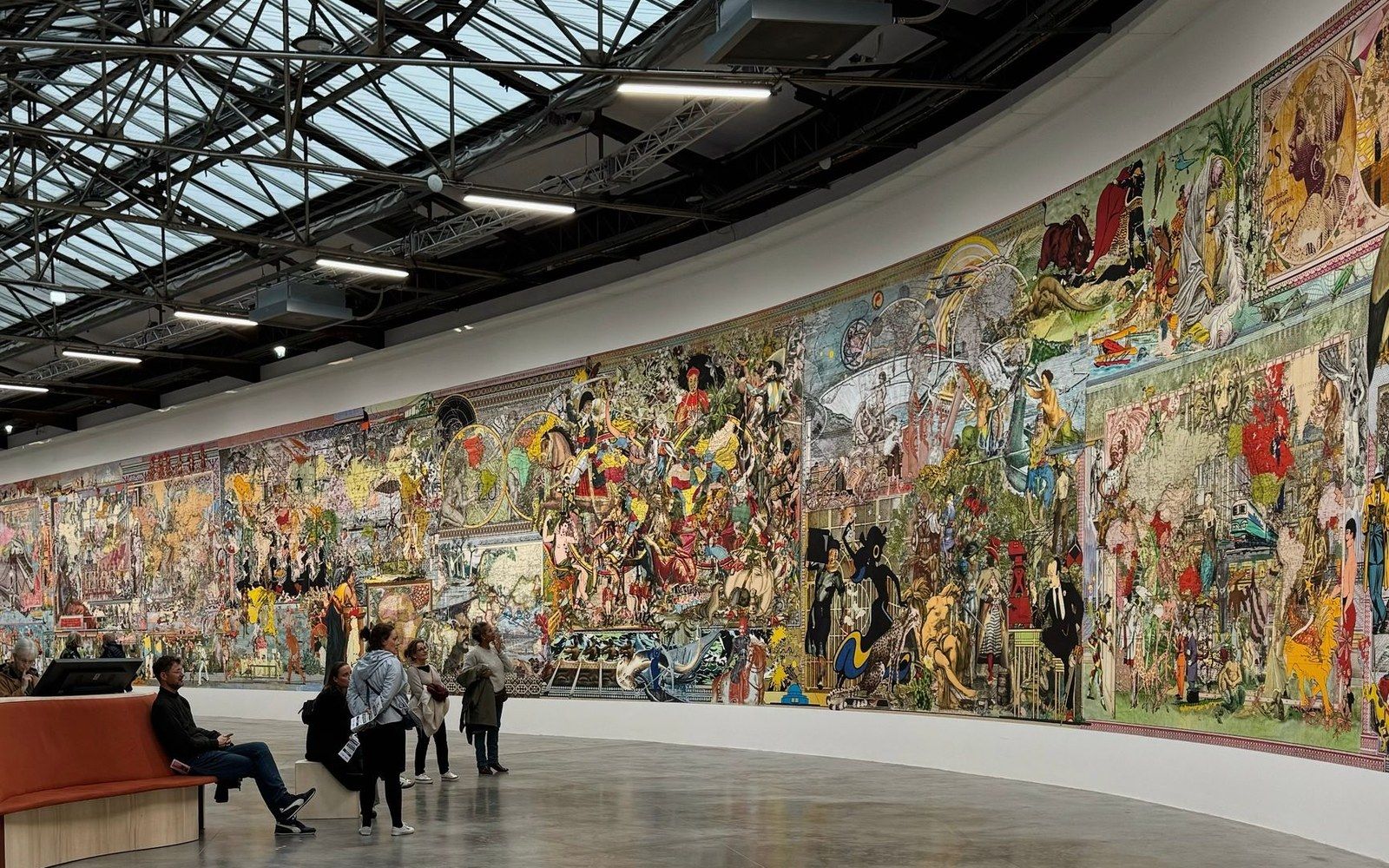
Figure painting hung at a size that will not let a viewer step back far enough. — Jenny Saville Paints at a Size That Makes the Subject Impossible to Look Away From.
Photo: Polina Chistyakova / PexelsSemmel worked from photographs she took of her own body, translating the self-view on a surface large enough to resist intimacy being mistaken for modesty. The scale is deliberate. In published statements she has described the project as an attempt to reclaim the erotic as a first-person experience rather than a third-person spectacle — to show desire as something felt rather than something displayed. That distinction reorganizes not just the subject but the implied relationship between picture and viewer.
The Intimacy canvases arrived in the same cultural moment as the broader feminist critique of the nude in the life class and of exhibition convention — work by Alice Neel, Sylvia Sleigh, and others was pressing similar questions through different formal means. Semmel's answer was specifically perspectival: change the viewpoint, and the argument follows.