Four Years in Rome, Paid For by Getting the Nude Right
The Prix de Rome turned the male nude into a career examination — and for some three centuries, painters who passed it lived on state money in the Villa Medici.
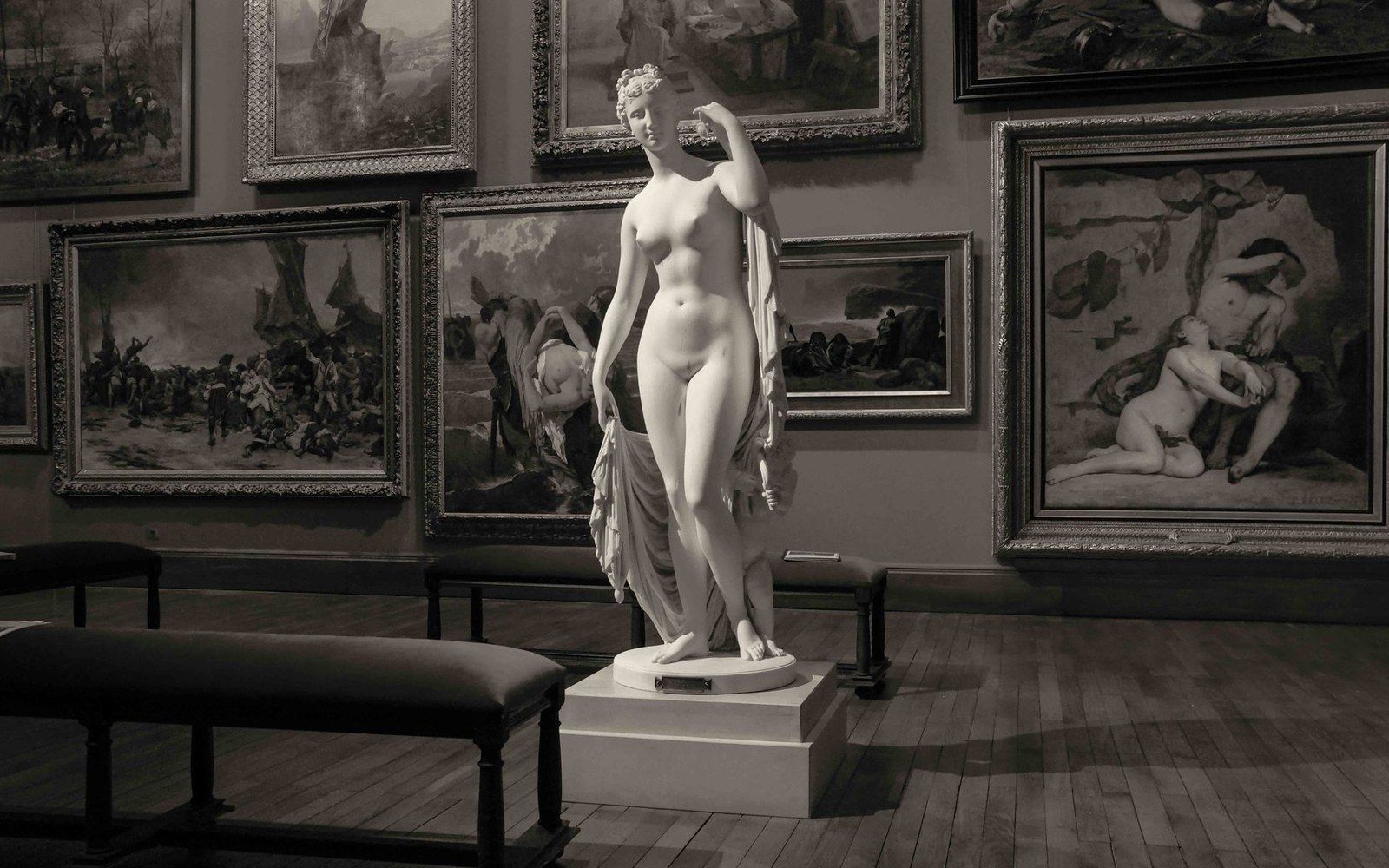
The concours produced pictures on this scale — four years in Rome depended on getting the figure right.
Photo: rene / PexelsThe Competition
The Prix de Rome ↗ began in 1663 under Louis XIV, administered through the Académie Royale de Peinture et de Sculpture and designed to produce painters who served the state's monumental ambitions. For figure painters, the route to it ran through the concours — a tiered elimination system in which students at the École des Beaux-Arts advanced by demonstrating command of the académie: the adult male nude in a constrained pose, drawn or painted under controlled conditions with no outside reference. Each round narrowed the field. The finalist round locked candidates in individual booths for a set period to produce a painted composition from a prescribed biblical or mythological subject.
The figure was always central. Judges measured anatomy, the distribution of light across modeled flesh, the authority of poses borrowed from antique sculpture and the life class in equal measure. A successful entry looked like it had been built from the inside out — bone, then muscle, then skin — before a single allegorical accessory was considered.
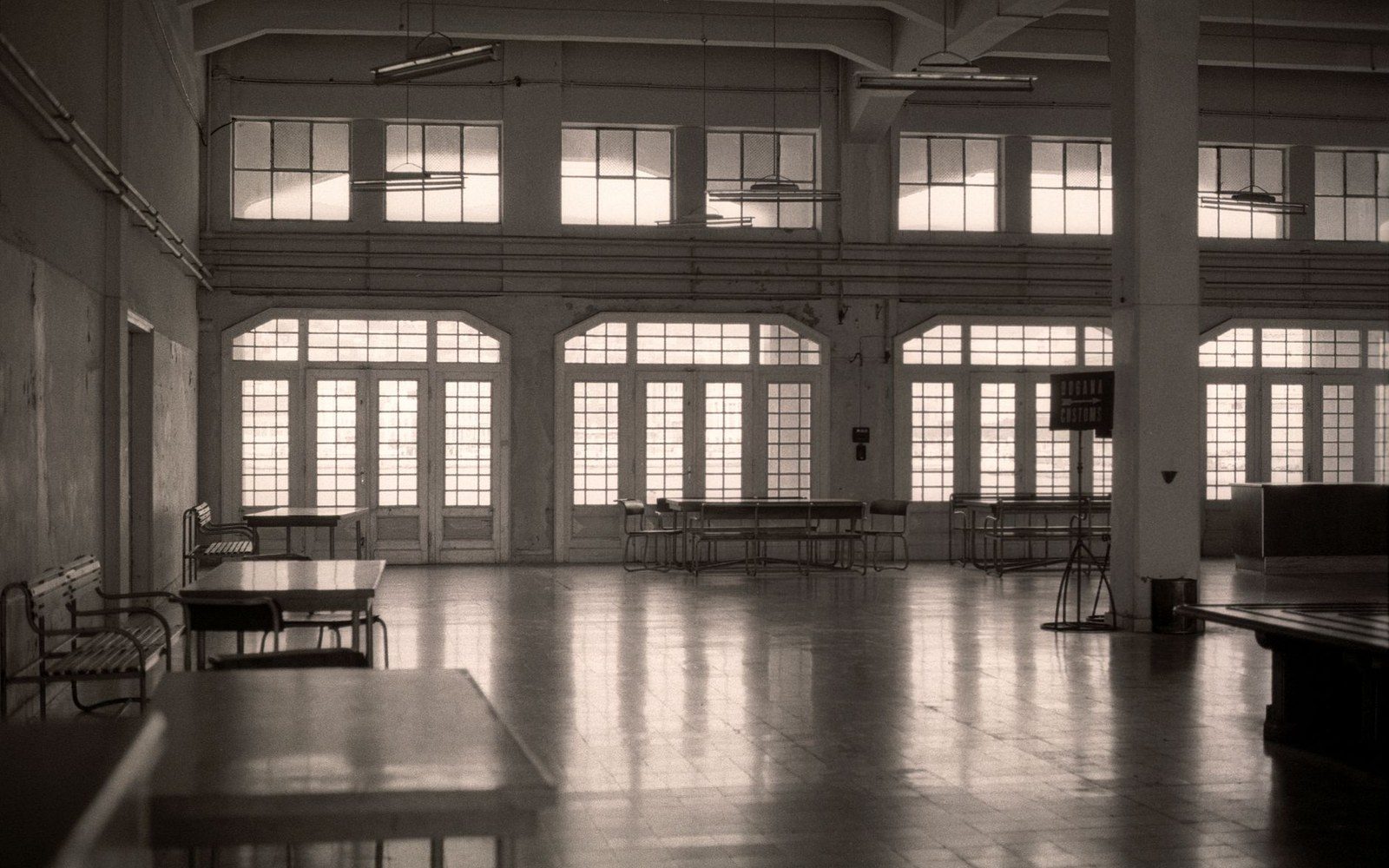
A life room of the kind Tonks ran: north light, a stand, and drawing done standing up. — The Slade's Life Room, and What Came Out of It.
Photo: Carlo Primo / PexelsWinning meant four years in Rome at the Villa Medici, with a living stipend and the implicit promise of major public commissions on return. It converted an unknown student into a candidate the state was prepared to spend money on. Ingres won it in 1801 with Achilles Receiving the Ambassadors of Agamemnon and ended up staying in Rome for nearly two decades, though the original award only guaranteed four years.
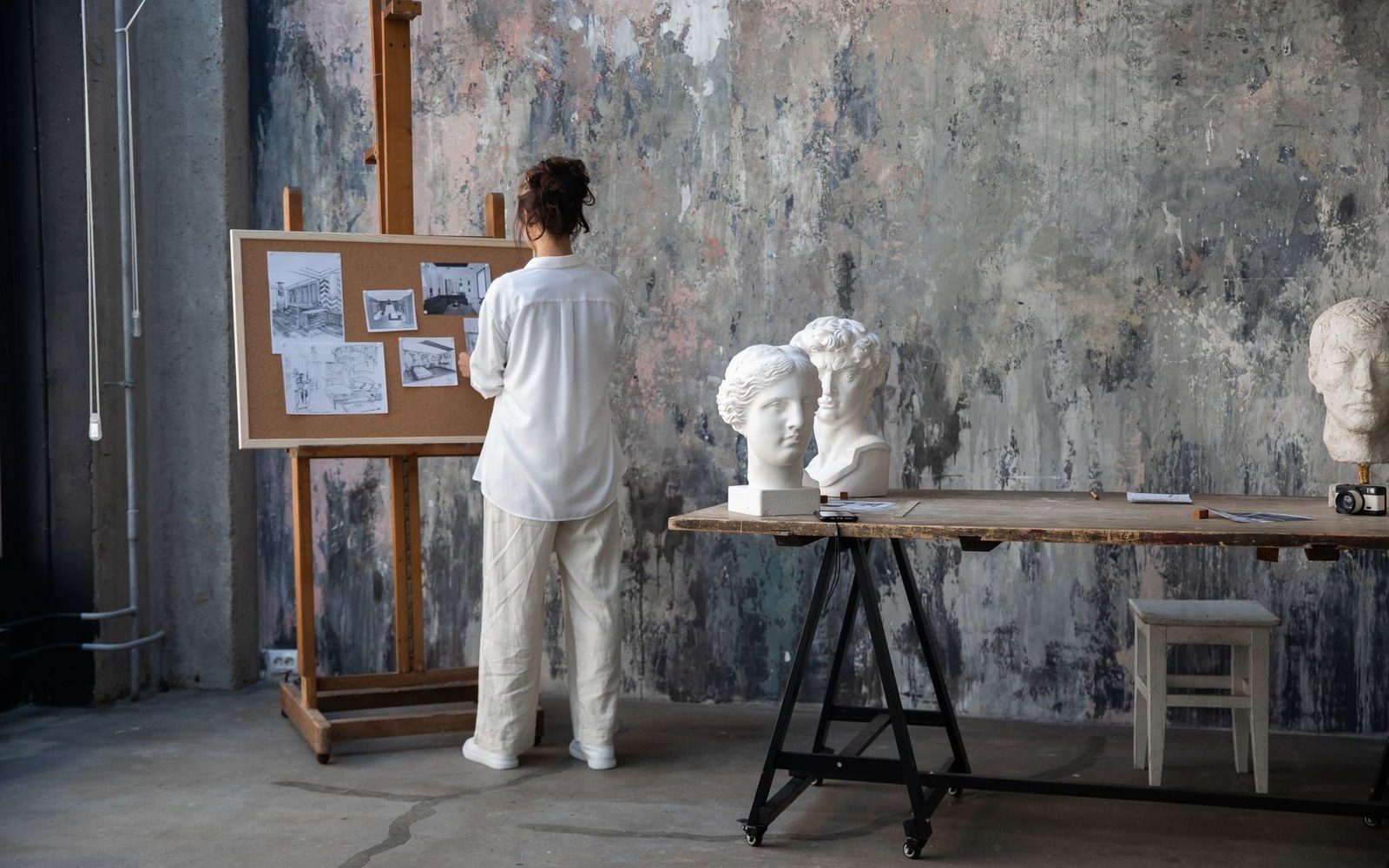
A wall of charcoal studies — the académie as a body of work.
Photo: KATRIN BOLOVTSOVA / PexelsThe morceau de réception operated separately: a submission work required for full membership of the Académie Royale itself, typically a substantial figure composition, distinct from the prize but overlapping in its demands. Together, the two requirements structured an entire career ladder around the painted figure.
By the early twentieth century the concours had lost its authority. The École itself was reformed in 1863 under Napoleon III — the same political moment that produced the Salon des Refusés — and the assumptions underlying the competition slowly dissolved as the century advanced. The French state formally ended its Roman prize for the fine arts in 1968. What the system left behind was three centuries of painters who had learned, under genuine pressure, that the figure was the examination nobody could fake.