The Slade's Life Room, and What Came Out of It
The school that opened in 1871 intending to do things differently kept that promise — and the painters it sent into the world proved it.
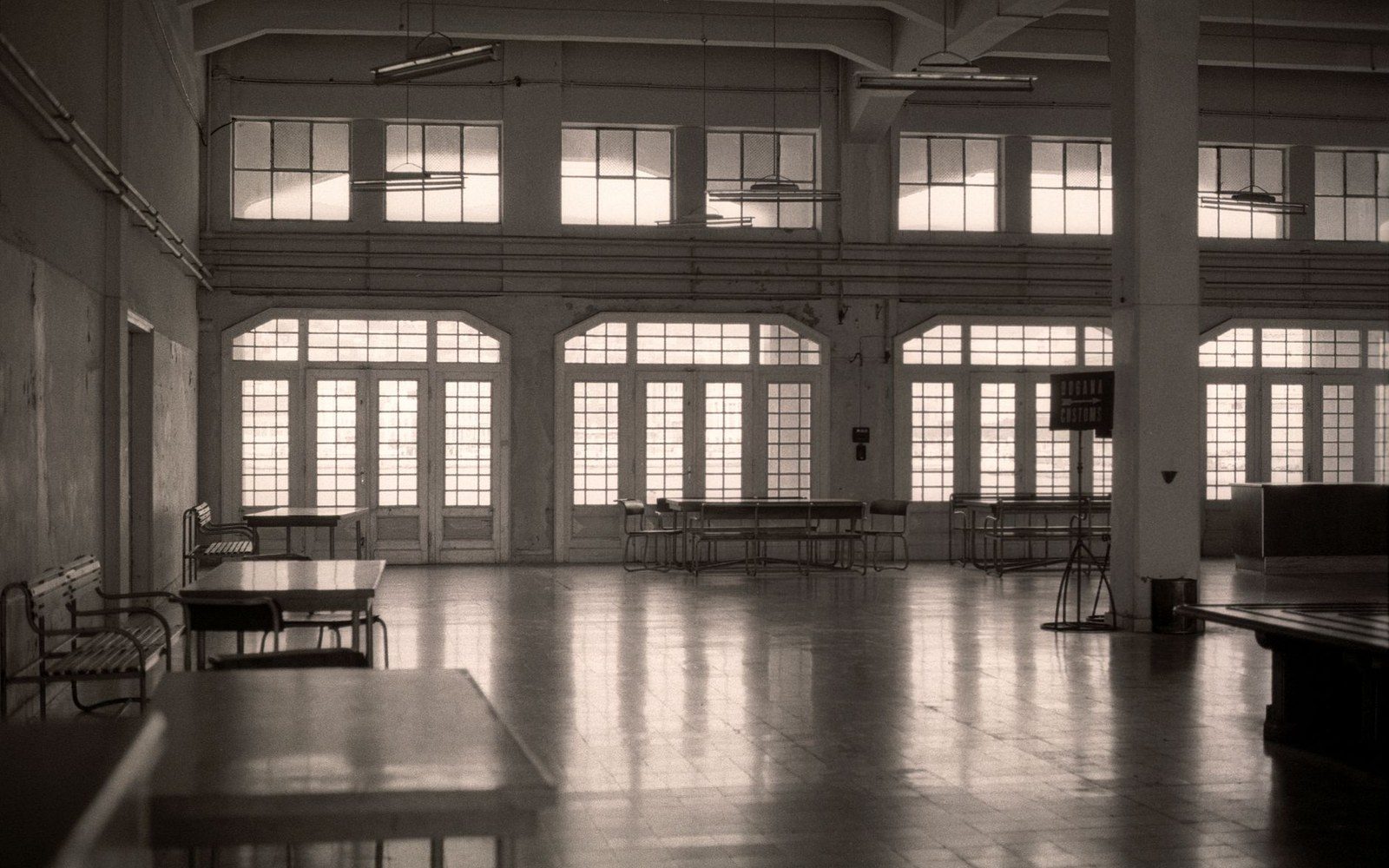
A life room of the kind Tonks ran: north light, a stand, and drawing done standing up.
Photo: Carlo Primo / PexelsAn Alternative to the Academy
When University College London established the Slade School of Fine Art in 1871, the Royal Academy Schools had effectively held a monopoly on serious figure training in Britain for over a century. The Slade's founders wanted something different, and they found it by looking to France rather than to Burlington House. The first professor, Edward Poynter, imported the French method: drawing from the living model came first, from day one, rather than after long years copying plaster casts. His successor Alphonse Legros, a French-born artist who had moved in the same circles as Manet and Whistler, embedded that approach firmly enough that it survived his departure in 1892. What Poynter and Legros built stood in contrast to the Royal Academy Schools, which had only opened its life class to women the following year — with conditions attached.
The life room was not simply an earlier destination for Slade students; it was treated as the whole argument. Drawing from the model in continuous contour — following the edge of a form without lifting the pencil — was the foundational exercise. This produced a quality of line that became identifiable as a Slade signature: searching, unbroken, structurally committed. The Royal Academy tradition favored careful shading and tonal construction; the Slade insisted the line had to carry the weight before tone was even considered.
Tonks and the Room He Ran
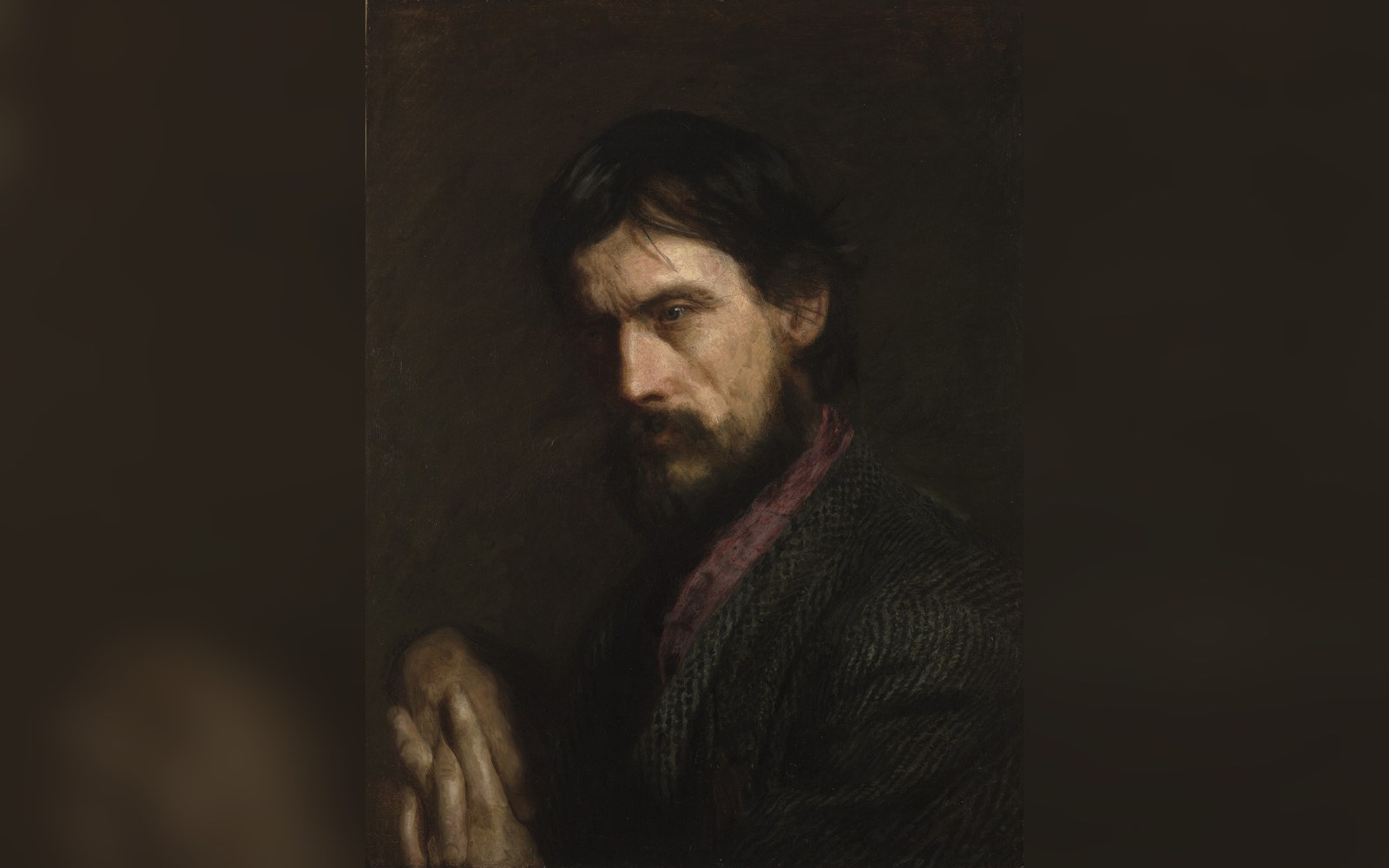
Eakins as his students saw him — the teacher the board removed in February 1886. — Eakins Loses the Pennsylvania Academy.
Photo: Thomas Eakins - The Veteran (Portrait of George Reynolds) - 1961.18.20 - Yale University Art Gallery · Wikimedia CommonsHenry Tonks joined the Slade teaching staff in 1892 and became its Slade Professor in 1918, a position he held until 1930. A former surgeon who had retrained as a painter, Tonks brought to the life class an anatomical exactness that was not mere pedantry but a genuine belief that understanding what lay beneath the skin was the precondition for drawing what was on top of it. His criticism was famously direct — sometimes crushing — and the room he ran was not comfortable. But students who could take it came out knowing what they were doing.
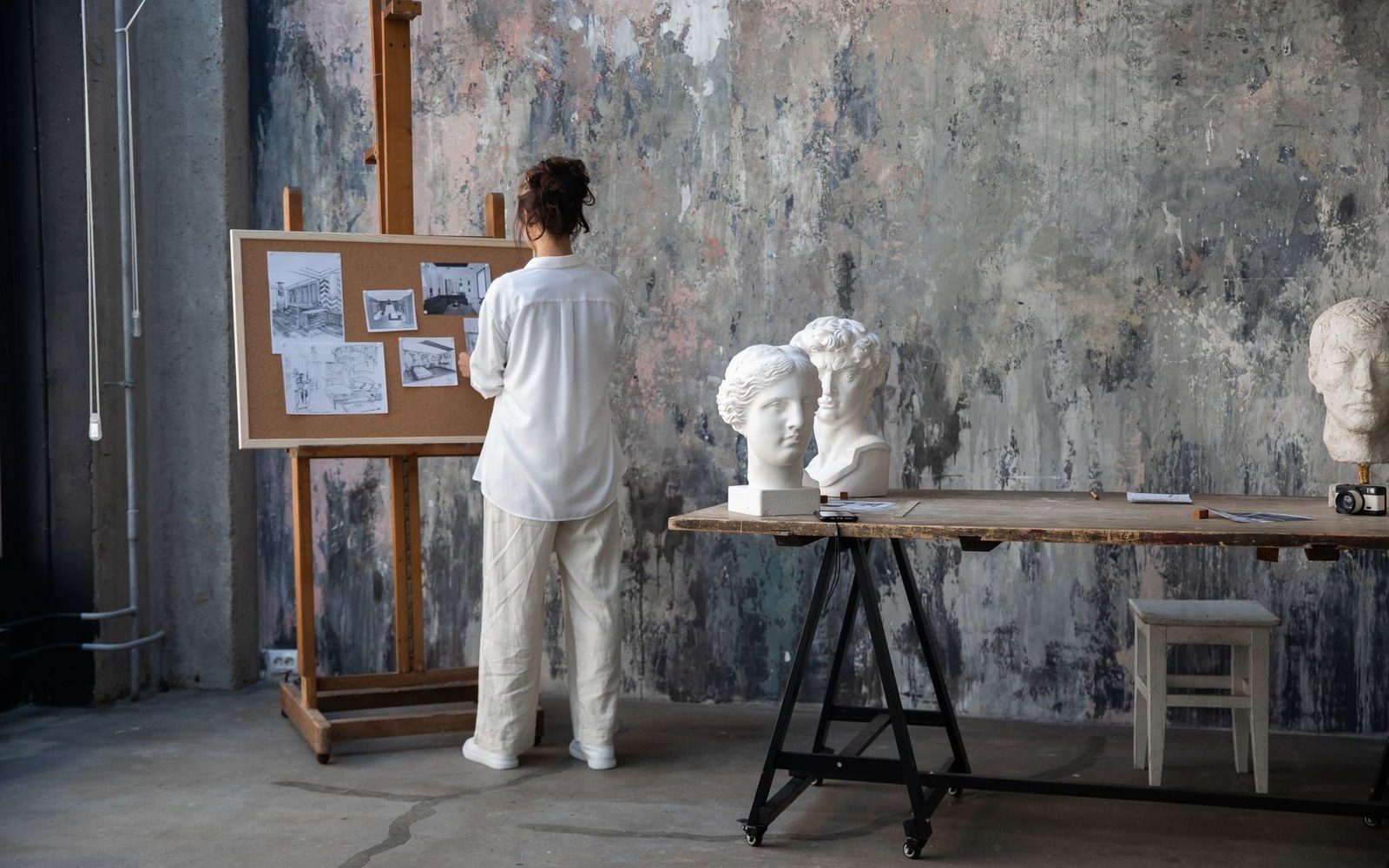
A wall of charcoal studies — the académie as a body of work.
Photo: KATRIN BOLOVTSOVA / PexelsThe list of painters who passed through the Slade under Tonks reads as a summary of early twentieth-century British figure painting. Gwen John attended in the 1890s and developed the quiet, concentrated attention to interior space that her later figure work depended on entirely. Augustus John — her brother, arriving at roughly the same time — became the Slade's most celebrated draughtsman of his generation, praised by Tonks in terms that seemed to leave little room for anyone else. Paul Nash studied there before 1914; Stanley Spencer came through during the same period and the Slade's emphasis on drawing from observation underpinned the eccentric figuration that distinguished his entire subsequent career. The Skowhegan School of Painting and Sculpture would later develop comparable studio-intensity in an American context, but the Slade had established the model decades earlier.
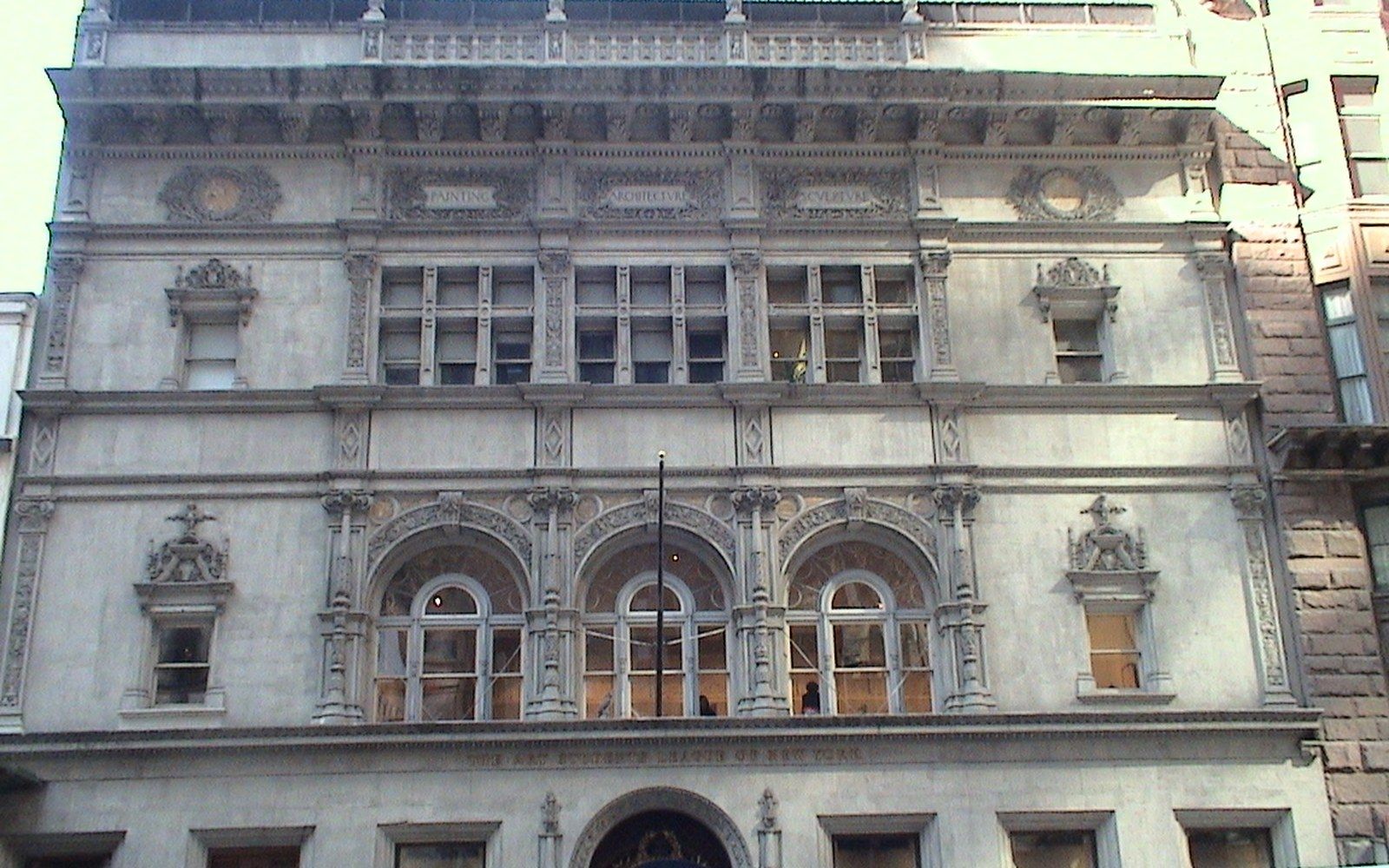
The League’s 57th Street front, where the painting, architecture and sculpture panels are cut into the stone.
Photo: Art Students League of New York · Wikimedia CommonsWhat separated the Slade from the academic mainstream was partly structural: because it sat within a university, it never had the Académie Royale's system of formal competitions — no concours, no Prix de Rome machinery — and the relative absence of institutional hierarchy let individual temperaments develop faster. Students were not grinding toward a prize; they were drawing because the drawing itself was the point. The tension Tonks introduced was not competitive but critical: he made students accountable to the quality of a line, not to a ranking.
The school's influence over British figure painting in the first half of the twentieth century was substantial enough that the phrase "Slade drawing" functioned as a recognizable standard — an expectation of a particular intelligence of mark against the model. That standard did not survive Tonks unchanged: the painters who came after him pulled the figure toward expressionism, toward flattened pattern, toward psychological concentration rather than anatomical resolution. But those moves were made by people who had first been taught, under strict and unsentimental eyes, how to look at a body and put a true line around it ↗.